The Natural History Museum’s latest show brings the ocean’s deadliest hunters back to life
The T. Rex of the sea


If you thought dinosaurs had the monopoly on prehistoric terror, it might be time to rethink things. While the big names were stomping around on land, the oceans were playing host to something far worse. Proper nightmare stuff. And now, for a limited time, it’s all resurfacing in London.
Landing at the Natural History Museum on the 22nd of May, Jurassic Oceans: Monsters of the Deep throws you straight into the deep end of a world that existed around 200 million years ago. Back then, the seas were ruled by marine reptiles that were faster, bigger and significantly more aggressive than anything swimming around today. It is less a gentle museum wander, more a front row seat to an ancient food chain where everything was trying to eat everything else.
Among the headline acts are the pliosaur, all gnashing teeth and bad intentions, and the ichthyosaur, a kind of streamlined predator that looks a bit like a dolphin if dolphins were built for violence.
Then there is the mosasaur, often labelled the “T. rex of the sea”, which feels like an attempt to make it sound more familiar when in reality it is something far more unsettling.
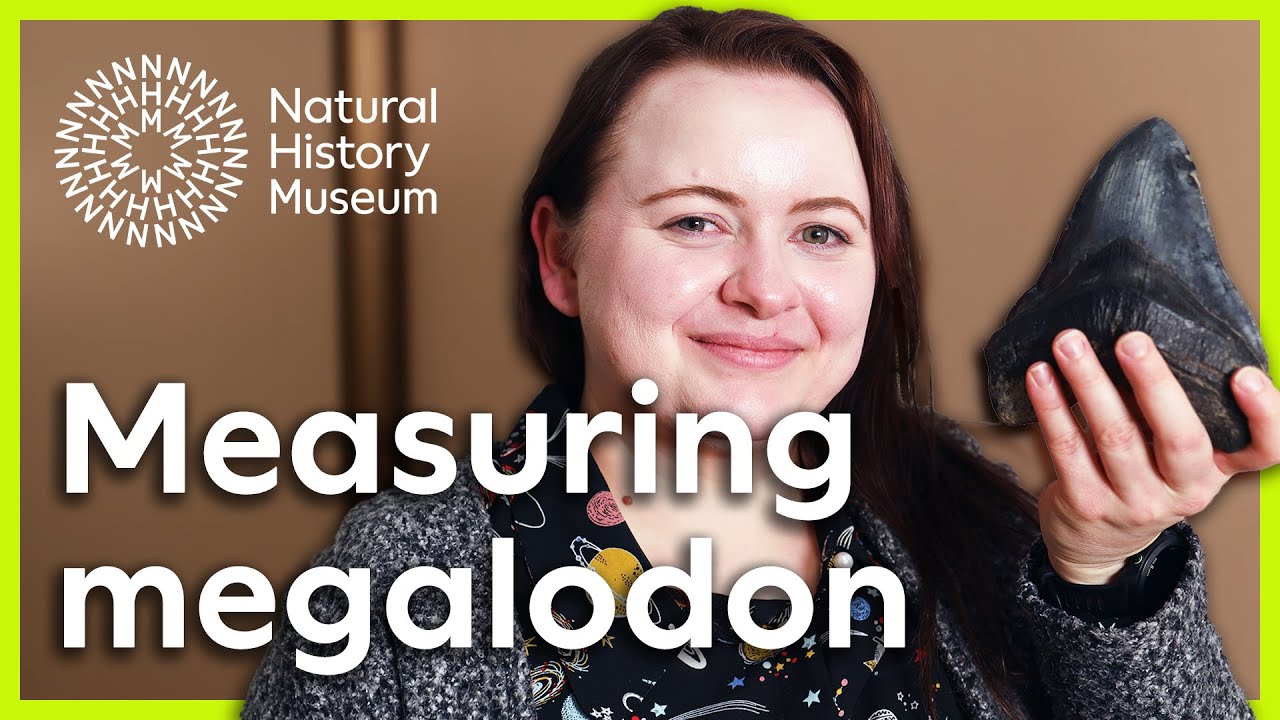
The exhibition leans heavily into the spectacle, but it is not just about staring at big fossils and feeling small. There is a hands-on element running throughout.
Visitors can get up close with real specimens, touch a mosasaur tooth, and even find out what shark skin feels like. There is also the slightly less glamorous opportunity to inspect fossilised poo, which, depending on your appetite for this sort of thing, is either fascinating or a step too far.
Alongside the bigger set pieces, there is a steady stream of bite-sized science explaining how these creatures rose to dominate the oceans and what eventually happened to them. The whole thing is backed by the museum’s own palaeontologists, so while it might feel like a parade of prehistoric horrors, there is a serious amount of research behind it. It also connects the dots to the modern day, looking at how ocean ecosystems have changed and what that might mean for the future.
It's worth noting that this is not a permanent addition. The exhibition is only in London for a limited run, which means once it is gone, it is gone. Tickets start at £15 off-peak and £17.50 at peak times, with discounts available, and the money goes back into supporting the museum’s free galleries and ongoing research.

Skip the search — follow Shortlist on Google News to get our best lists, news, features and reviews at the top of your feeds!
