Meta VR Glasses bring us a lighter, more comfortable take on virtual reality
VR goes small in more than one way


Master of all things VR, Meta has come up with a new headset in what it calls a “new era for virtual reality.”
For a while it looked like Meta was bowing out of virtual reality altogether, but the Meta VR Glasses offer a rather different take on the category to what the Meta Quest 3 headset offers.
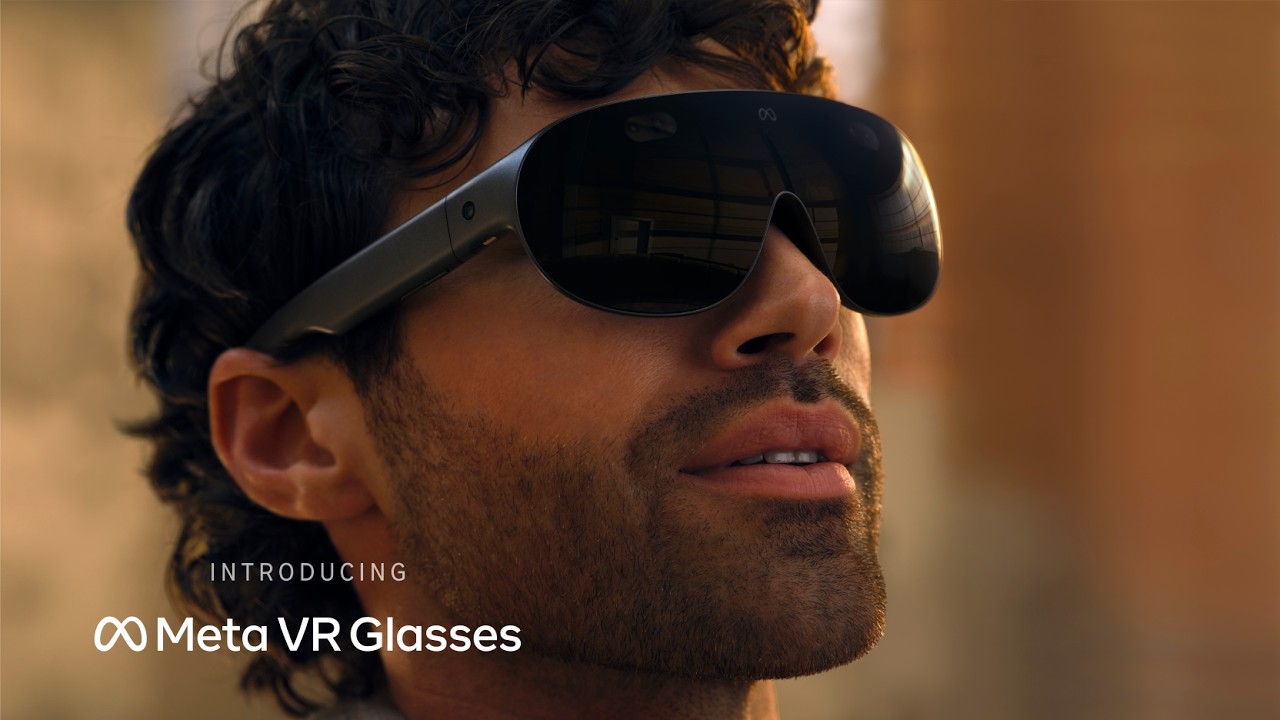
As you might guess from the name, the Meta VR Glasses look a lot more like a pair of normal glasses than the Meta Quest series ever has. They are “five times lighter than Meta Quest 3” according to the announcement blog, with one key design change.
The Meta VR Glasses use a wired housing that contains the battery and brains of the thing — like the Apple Vision Pro — with a belt clip on its back. Not quite everything is built into the glasses themselves, as we saw recently in the Snap Specs.
In the glasses part we get the displays and the motion sensors. And, no, you can’t put the processor puck part in your pocket as it uses cooling fans, which would be blocked by your jeans.
It’s not as if you’re going to wear the Meta VR Glasses and hope to pretend nobody notices you’re wearing something unusual, though. They block your vision like a VR headset, rather than letting you see your surroundings as the Ray Ban Meta smart glasses do.
You aren’t getting quite a Meta Quest 3 experience here either. The Meta VR Glasses use great micro OLED screens rather than LCD ones, for much better contrast. Image sharpness will be superior too, with 37 pixels per degree to the 25ppd of the Meta Quest 3.
That sharpness is here to let you use the Meta VR Glasses a bit like an Apple Vision Pro, opening up laptop/PC style windows for actual work rather than just messing about with gaming or video streaming.
You control the basics with your hands and eyes — no controller needed.

The snag is that the width, the size, of the VR image isn’t nearly as expansive as the Meta Quest series’s, or the Vision Pro’s. You get around 70 degrees vertical coverage, 67 degrees vertical.
A Quest 3 sits at around 110 degrees horizontal, 96 degrees vertical. This means the Meta VR Glasses display feels much more like a screen sitting in the air in front of you, rather than a vision-filling spectacle.
Meta has done its best to offset this in the marketing, though, snagging the VR Glasses the title of the “first IMAX enhanced certified VR device.” They also have Dolby Vision certification and support for Dolby Atmos using the baked-in audio. Not bad.
Other vital statistics include a new Qualcomm Snapdragon Reality Elite processor, optional prescription inserts, 5K overall resolution, around 100g weight, three hours of battery life when playing media and 45-minute charging.
It sounds pretty great to us, leaving just one looming issue: the price. The Meta VR Glasses will cost $1299.99 when they arrive in “Spring 2027.” UK pricing is yet to be confirmed but it’s clear we’ll have to fork out a bunch more than the £549.99 of the Meta Quest 3.

Skip the search — follow Shortlist on Google News to get our best lists, news, features and reviews at the top of your feeds!
