The movie trick studios use to save millions: 10 iconic film sequels and series shot back-to-back
Everything from the Lord of the Rings trilogy to the new horror thriller 28 Years Later: The Bone Temple kept the camera rolling past the first credits roll.


28 Years Later: The Bone Temple is in cinemas now, marking the fourth entry in the series and a direct follow-on from 2025's 28 Years Later.
Indeed, The Bone Temple was shot immediately after the preceding film. It might have involved a different director (Nia DaCosta steps in for Danny Boyle), but the two films share overlapping characters and locations, with no let up for the cast between filming each instalment.
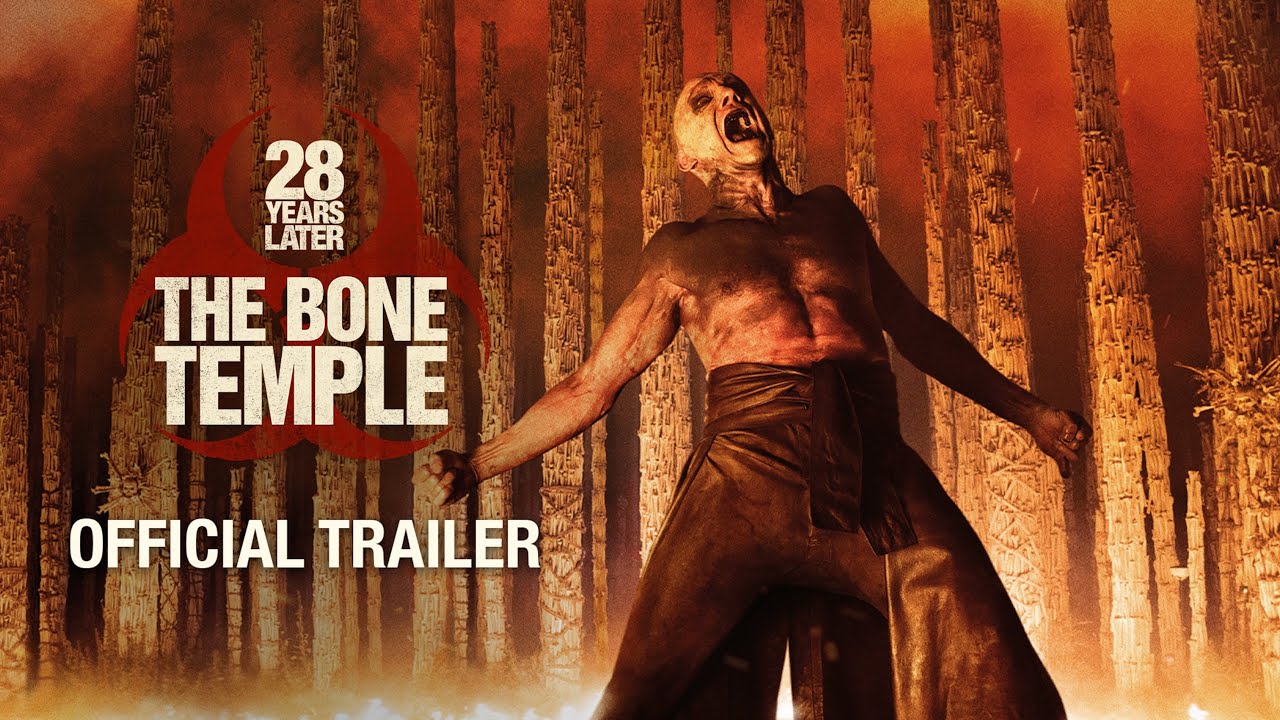
It might sound like a very modern solution to dramatically rising production costs and less predictable box office numbers, but this back-to-back approach has been in use since the early days of Hollywood.
1934’s adaptation of Les Misérables was split into three parts, so you could argue that it was simply a single film. However, four years later Fritz Lang shot The Tiger of Eschnapur and its sequel, The Indian Tomb, back-to-back.
You have to suspect that the logistics are daunting, but evidently this time and cost-saving measure is an effective way to get the maximum bangs for your production bucks, all whilst maintaining a sense of continuity with your production and acting crews.
These 10 (or, rather, 22) famous films have all been produced under some form of tight continuity. If this is the future of movie making, it’s kind of reassuring to learn that it’s been done well plenty of times before.
![THREE COLOURS TRILOGY | 4K RESTORATION | Official UK trailer [HD] Returning to Cinemas from 31 March - YouTube](https://img.youtube.com/vi/GkL2e0OnUXY/maxresdefault.jpg)
Three Colours trilogy
Unlike many of the films on this list, Krzysztof Kieślowski's Three Colours trilogy was made back to back (to back) for artistic rather than financial or even narrative reasons. While they stand alone as three distinct films, they’re thematically linked under the Blue, White, and Red monikers (denoting the colours of the French flag), covering the French Revolutionary ideals of “liberty, equality, fraternity”. They don’t form a single narrative as such, but they’re very much of a piece, with shared visual motifs and some shared-universe cameos.
Flags of Our Fathers / Letters from Iwo Jima
Hollywood legend Clint Eastwood shot Flags of Our Fathers and Letters from Iwo Jima back to back for a very specific narrative reason. The two films depict World War II’s brutal Battle of Iwo Jima from the distinct points of view of the two belligerents. The former adopts the perspective of US troops planning and executing the invasion, while the latter depicts the battle from the Japanese viewpoint – hunkered down as deep as they can be as part of a tragically doomed rearguard action. It results in a uniquely even-handed view of one of the deadliest conflicts in history.

Back to the Future Part II / Back to the Future Part III
There’s no denying that the two Back to the Future sequels were filmed together for cost and logistical reasons (star Michael J. Fox had to film during breaks from his TV sitcom day job), but the approach also makes a lot of sense to the wider story. These are twisty, turny, deeply self-referential movies with a far stronger through-line than most other breezy sci-fi capers. Another contributing factor is that this was initially conceived as a single follow-up to the original, but the scope (and script) grew so large, Bob Gale and Robert Zemeckis opted to split it in two.
The Outsiders / Rumble Fish
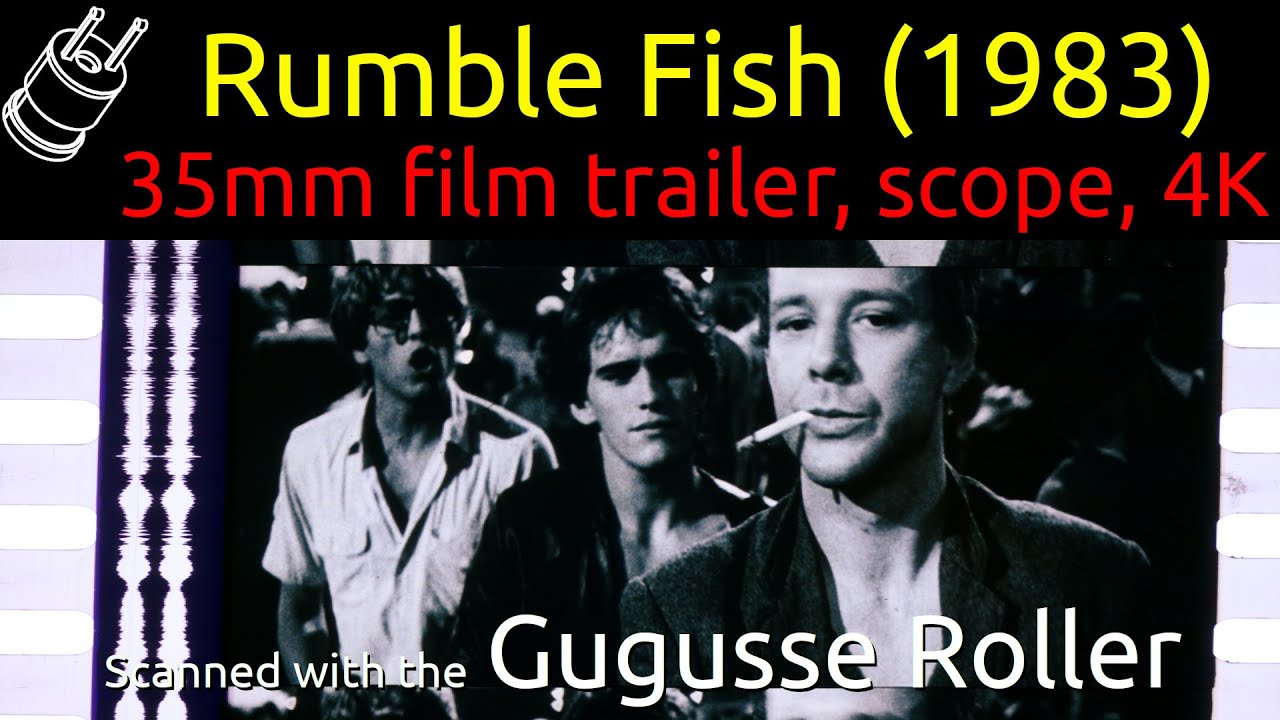
Back in 1983, Francis Ford Coppola chose to keep his tight production team together for the successive filming of The Outsiders and Rumble Fish, enabling him to indulge himself with an experimental black and white “art film for young people”, to use the great director’s own description of the latter. The two films aren’t directly related in a narrative sense, but both are based on S.E. Hinton novels. They also use the same Tulsa location, as well as much of the same cast, including Matt Dillon and Diane Lane.
Kill Bill: Volume 1 / Kill Bill: Volume 2
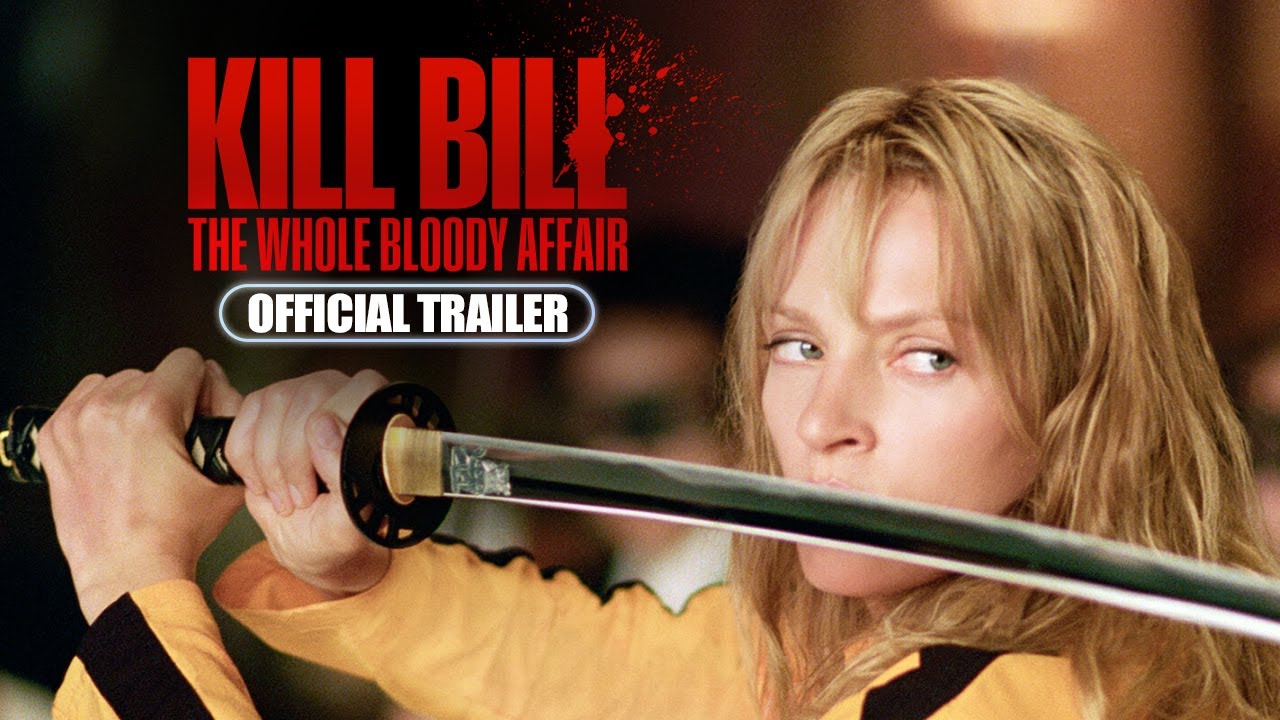
Quentin Tarantino conceived Kill Bill as a single (albeit lengthy) film. But with the final production weighing in with a bum-aching four hour run time, a decision was made during post-production to bisect his bloody action-revenge drama. To its credit, the production team didn’t string things out too much, releasing Kill Bill: Volume 1 and Volume 2 into cinemas a mere six months apart. It’s telling that Tarantino still considers it to be a single film – a crucial calculation when it comes to weighing his promise to retire after 10 films.
The Lord of The Rings trilogy
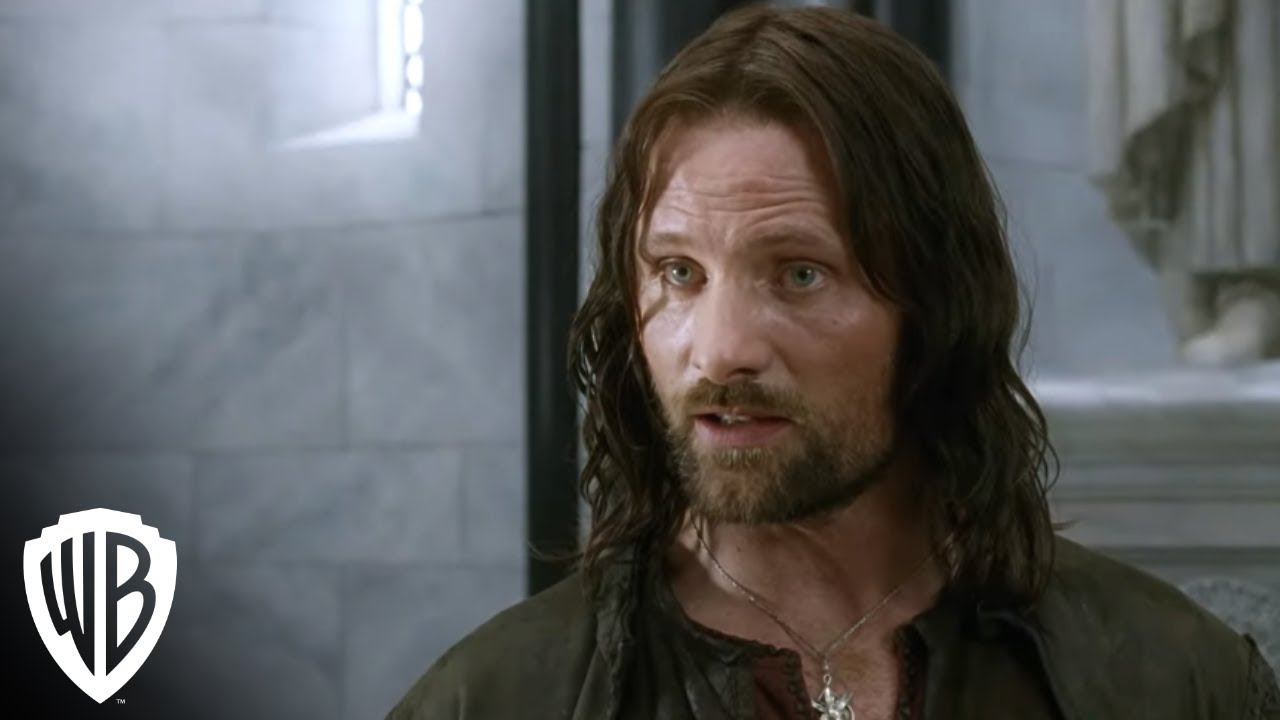
It’s become a foundational text for modern cinematic and televisual fantasy, but Peter Jackson’s The Lord of The Rings trilogy wasn’t viewed as a safe bet at the time. Indeed, Jackson initially pitched it to Miramax as a more modest two-film project, to which the studio replied by attempting to knock him down to just a single two hour film. A more trusting partner was found, but shooting the three lengthy epics back to back was about more than mere tonal consistency. It was vital to the very existence of the trilogy in its majestic final form.

Avatar: The Way of Water / Avatar: Fire and Ash
James Cameron’s initial intention was to cover the events of Avatar: The Way of Water and Avatar: Fire and Ash in one epic film. Ultimately he found that it was shaping up to be too dense, with scenes being skipped over far too quickly. His decision to split the story down the middle resulted in two elementally themed (and still really long) movies, shot concurrently. Interestingly, some of Avatar 4 was also shot during this latest production phase, in order to avoid the youthful cast ageing out of their roles. The rest of the film will be shot back to back with the saga’s concluding chapter, Avatar 5.
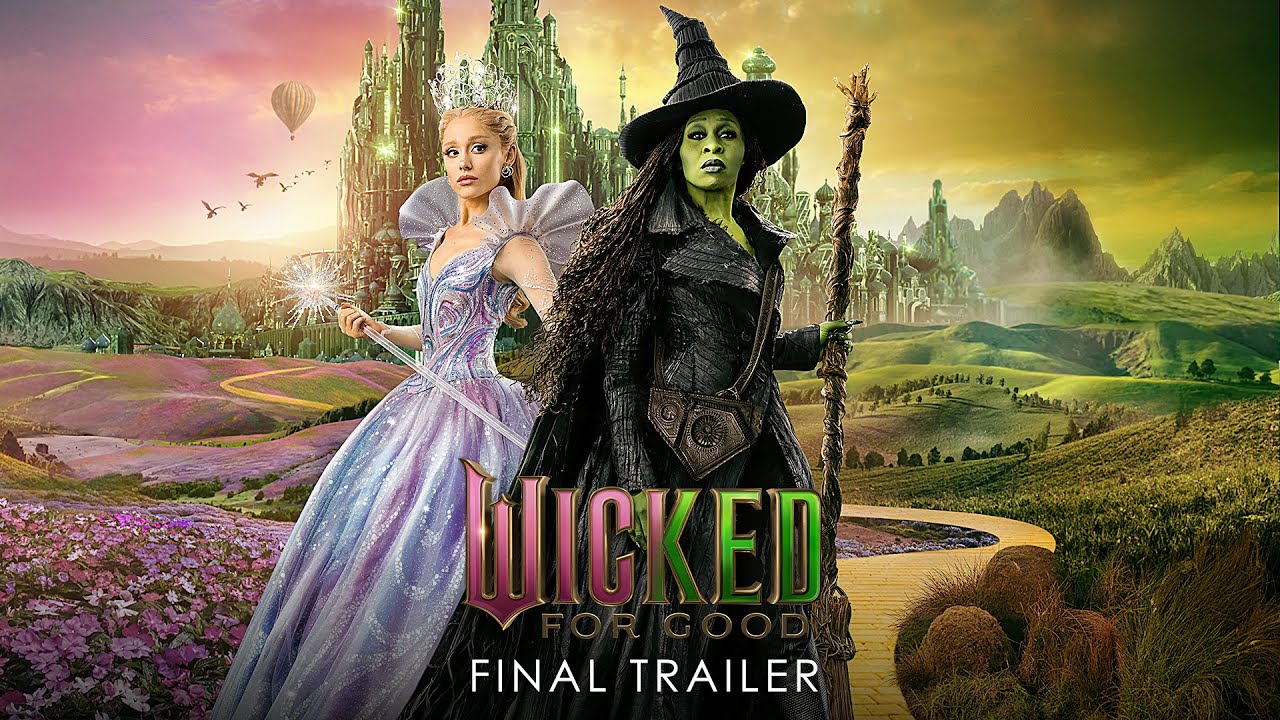
Wicked / Wicked: For Good
Together, the two Wicked movies combine to tell the story of a single hit theatre production. It makes a fair amount of sense, then, that both cinematic parts were shot together. Filming for both parts wrapped up in January of 2024, with a few additional scenes for the second part shot in 2025. Given the combined $300 million budget for the two films, it’s perhaps understandable that Universal Pictures would want to streamline the production process as much as possible. It’s fair to say that the decision paid off handsomely – twice.
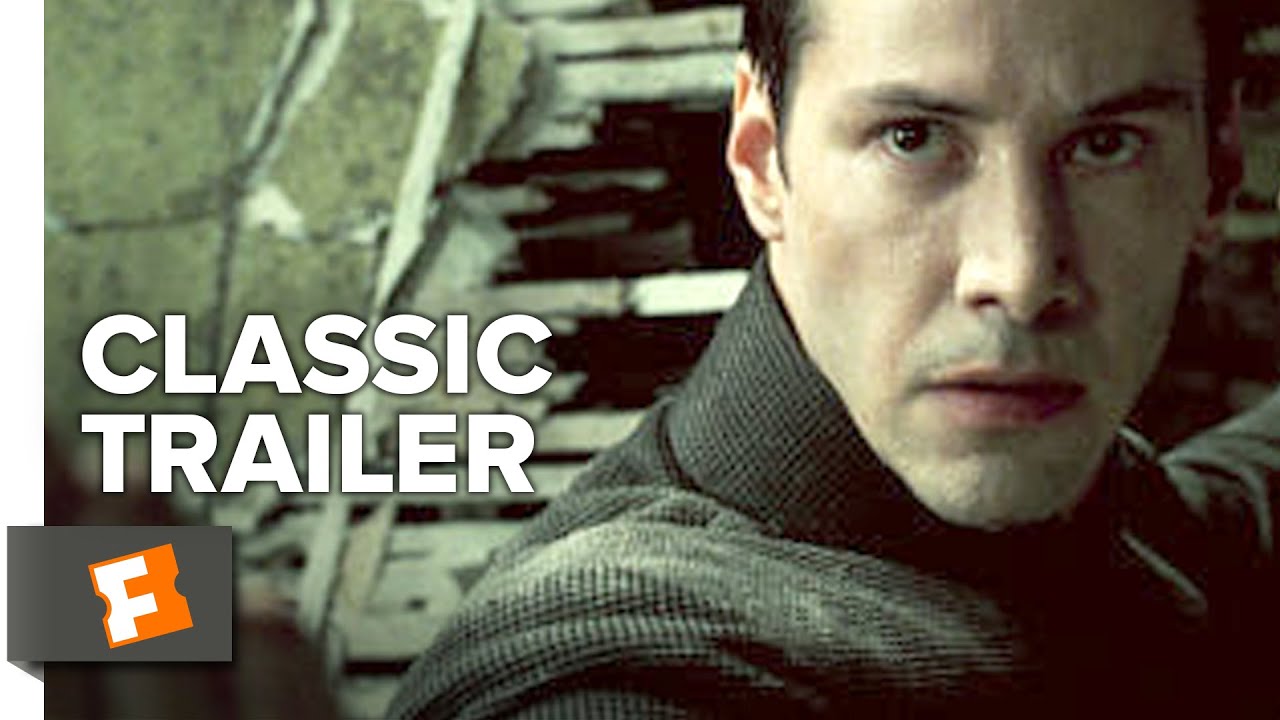
The Matrix Reloaded / The Matrix Revolutions
Though it's a recurring theme to other films on this list, The Matrix Reloaded and The Matrix Revolutions were never intended to be a single film. The Wachowskis conceived of parts two and three of The Matrix trilogy to be two parts of a single story. It’s natural that the two films were shot back to back, then, though the siblings failed to convince the studio to release the films a month apart. In the event, the two sci-fi extravaganzas were stuck with an artificially protracted six month gap in a bid to maximise the marketing potential.
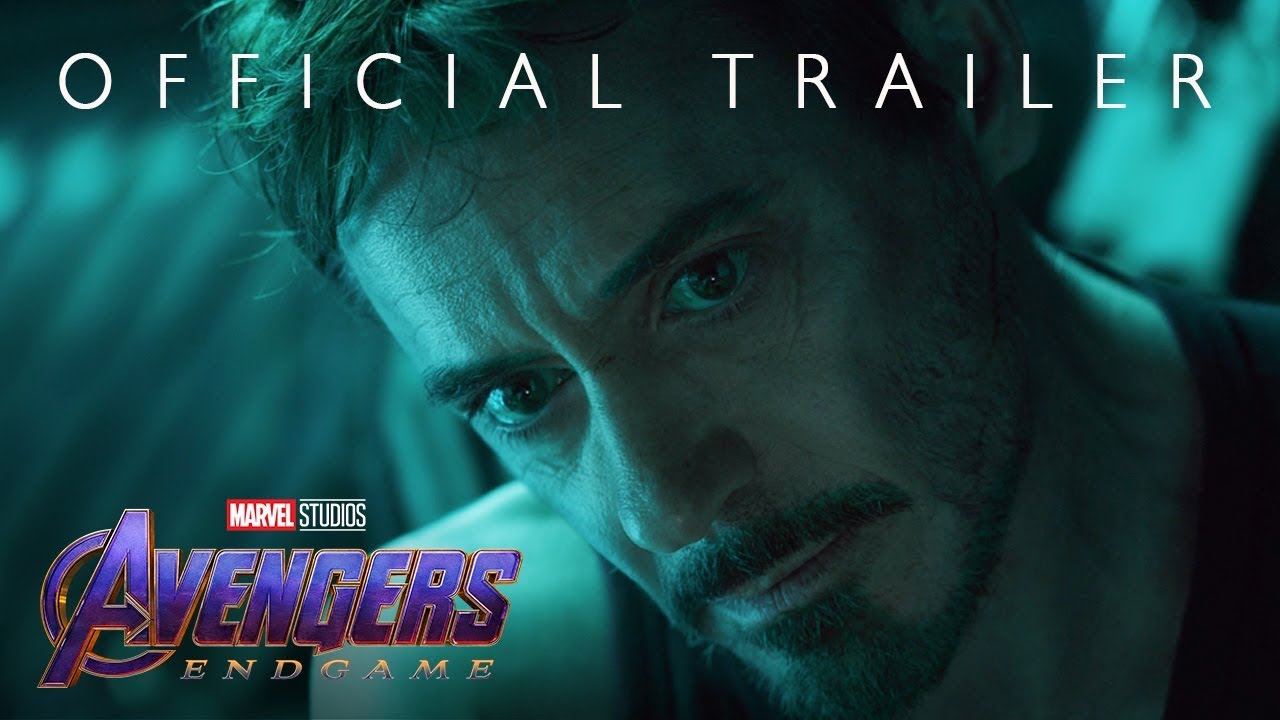
Avengers: Infinity War / Avengers: Endgame
Avengers: Infinity War and Avengers: Endgame were filmed back to back, with only a month in between them. Which figures, given that Anthony and Joe Russo were commissioned to co-direct Avengers: Infinity War – Part 1 and Part 2, the original titles for these cinematic events. Corralling an extensive ensemble cast of superstars for one production would have been hard enough, so pinning them down for a full year made a lot of sense. Avengers: Doomsday and Avengers: Secret Wars (both also by the Russos) are said to be following a somewhat similar path, albeit with more production breaks inserted for sanity reasons.

Skip the search — follow Shortlist on Google News to get our best lists, news, features and reviews at the top of your feeds!
