Punks on punk: How the OG era of three chord rock shaped the music of today's biggest acts
Five modern punk voices pick the records, bands and moments that continue to shape the genre


Celebrating 50 Years of Punk

Hey! Ho! Let's Go! We’re marking 50 years of punk at Shortlist, bringing you insight into the rebellious sound that changed popular music for ever. Click here for the complete collection, or try these three-chord cuts:
- The 50 greatest punk albums, ever
- Punks pick the best ever punk songs
- Why the DIY ethos still matters five decades on (and why the punk spirit is needed now more than ever)
On November 6th 1975 in a half-empty London art college, four snarling teens took to the stage and changed music forever. Building on Reggae’s rebellious spirit, borrowing MC5’s energy and channelling The Velvet Underground’s spiky abrasion, these caustic kids called themselves The Sex Pistols.
Their snarling, uniquely scrappy sound immediately turned heads - and it was swiftly labelled ‘punk’. Inspiring The Buzzcocks, The Clash and The Damned to dash out and pick up guitars, The Pistols’ slimy sonic concoction cut distortion-soaked anthems with intoxicatingly unadulterated London swagger.
Fifty years later, the UK punk scene’s influence is still inescapable. Touching everything from fashion to activism, spawning multiple musical subgenres, and with its DIY ethos embedded into the DNA of hip hop and even indie filmmaking, the ‘70s punk explosion didn't just birth a genre – it kickstarted a creative revolution.
So rather than look backwards ourselves, we handed the mic to five musicians who've lived with punk's influence for decades. From their favourite UK punk tracks to the modern London scene and the movement's enduring legacy, here's what they had to say. Happy 50th, punk - here’s to another 50 years of power chords, politics and provocation.
Steve Sladkowski (PUP)

- Standout UK punk track: "I'm So Bored With The USA" – The Clash
PUP have spent the last decade cementing themselves as one of modern punk's most vital bands, carrying the genre's DIY spirit from Toronto dive bars to festival main stages around the world.
For guitarist Steve Sladkowski, though, it all starts with Britain. From discovering his dad's Clash records as a kid to standing on the legendary Roundhouse stage himself, he explains why London's punk legacy still casts a long shadow over music today.
What was your first memory of hearing UK punk?
Steve Sladkowski: My Dad! I found his record collection when I was a kid, and The Clash and The Sex Pistols were tucked alongside other UK new wave stuff like Elvis Costello, XTC and Squeeze.
What does the phrase 'London punk' mean to you?
Sladkowski: LLondon punk is anti-capitalist and cosmopolitan. It understands the indelible influence of the Windrush Generation on the aesthetics of punk. It’s The Roundhouse and Vivienne Westwood and the Brixton Riots. It rules.
Who are the most important UK punk band?
Sladkowski: The Clash.
How has the London punk scene influenced you?
Sladkowski: PUP headlined the Roundhouse. Where the London Calling album cover photo was taken. Are you fucking kidding me?!
What do you think of the London punk scene today?
Sladkowski: It’s dynamic and noisy and progressive and endlessly fascinating. Bob Vylan, ‘nuff said.
It's now been 50 years since the UK punk explosion. What do you think is its greatest legacy?
Sladkowski: Class and racial solidarity scares power.
Steph Carter (Former Gallows guitarist)
- Standout UK punk track: "Pretty Vacant" – Sex Pistols
Steph Carter has lived punk from almost every angle imaginable. He helped define one of Britain's fiercest hardcore bands with Gallows before taking that same DIY philosophy into one of music's biggest brands as the Director of Culture Marketing for Marshall. For Carter, punk's greatest achievement wasn't simply changing music; it rewrote the rules for culture, creativity and self-expression.
What was your first memory of hearing UK punk?
Steph Carter: Hearing a friend’s band cover Pretty Vacant at school. I knew the song already, but seeing it played live like that really connected for me - it had an energy that felt different. That moment sent me down a rabbit hole, discovering the original bands and everything that came with them.
Who is your favourite band from the original era of British punk?
Carter: I’ve always loved The Clash - they’re a very close second - but for me, it has to be the Sex Pistols. ‘Never Mind the Bollocks’ is such a seminal record. There’s something about Steve Jones’ guitar playing that really stands out - it’s deceptively simple, but incredibly intentional. Every note feels like it’s there for a reason. Having had the chance to play through Steve’s rig myself, it really struck me that no one quite sounds like him. The moment he picks up a guitar, it’s instantly recognisable.
What does the phrase 'London punk' mean to you?
Carter: Cultural impact. It goes beyond the music: it’s art, fashion, and activism all rolled into one. It’s rooted in the bands that kick-started the genre, but just as importantly, it’s about the path they created for everyone who’s followed.
How has the London punk scene influenced you?
Carter: The DIY ethos is something that’s always been ingrained in me. In every band I’ve played in, I’ve been involved in recording and producing the music in some shape or form. When we were making ‘Grey Britain’, Frank and I actually recorded all the vocals in our mums’ house - we drilled a hole through the wall between our rooms, used one as a live room and the other as a control room. Then there’s the performance side - there’s a real freedom in the energy of playing punk rock. It’s raw, immediate, and completely honest.
What do you think of the London punk scene today?
Carter: The familiar stereotypes, like punks hanging out on a bridge in Camden, are still there, but the scene has moved forward. What really stands out today is the strength of new music and how it continues to push boundaries. Punk isn’t just a genre, it’s an attitude. There’s a new generation coming through that’s challenging the status quo. With everything happening in the world, there’s no shortage of fuel, and punk remains a powerful platform for bands to stand up, speak out, and say something that matters.
What's your favourite moment in punk history?
Carter: For me, it’s about how punk constantly defies expectations - how bands take something raw and make it resonate with bigger and bigger audiences. Punk keeps reinventing itself, pushing beyond what anyone thinks it can be. There isn’t a defining moment in punk history, because the best one hasn’t happened yet.
Charlie Longman (Clobber)

- Standout UK punk track: “That’s like picking a favourite strand of fucking hair! Off the top of my head: ‘Clampdown’ - The Clash …NO! ‘Love Song’ The Damned… Oh, fuck off.”
Nobody in this feature embodies punk's refusal to self-edit quite like Charlie Longman. The Clobber frontman delivers equal parts humour, honesty and chaos, bouncing from the Sex Pistols' cultural impact to modern political punk without ever sounding rehearsed. If anyone proves punk hasn't lost its bite after 50 years, it's him.
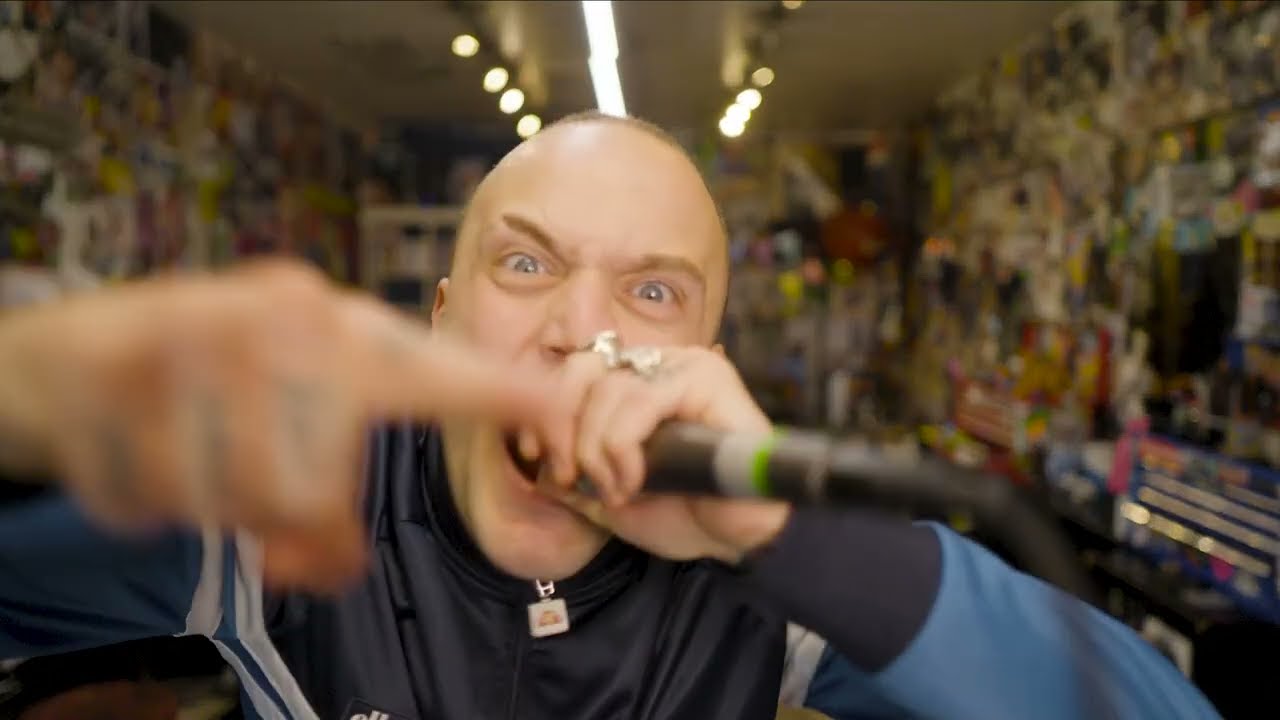
What was your first memory of hearing UK punk?
Charlie Longman: My mum and dad used to watch a weekly documentary series called “I heart the 1970s’. Every week was about a different year from the ‘70s. The first exposure I ever had to punk was 6 years old watching the episode that covered the Sex Pistols. I was terrified but excited by them. I had no interest in music really before that but that half hour of telly blew my fucking brain open. Ugly, can’t play, dress like a cunt. Well done. Punk is for you!
Who are the most important UK punk band?
Longman: Of all time? The Sex Pistols. Opinions on them aside, the legacy of that band is the reason the world knows about punk and the reason you’re writing this article. Without the Bill Grundy interview, the story of Sid’s death and the whole saga I truly don’t think it would have evolved beyond the grassroots. People paying to go see them now with Frank Carter on vocals is a testament to that as well.
Right now? The Menstrual Cramps. That band take no prisoners, never compromise, talk about stuff they actually fucking live and do grass roots political movements without showboating or for clout.
What does the phrase 'London punk' mean to you?
Longman: A white guy with dreadlocks in a Subhumans T shirt asking me for guestlist because he spent all his money on K and Buckfast.
It's now been 50 years since the UK punk explosion. What do you think is its greatest legacy?
Longman: That there is a punk scene in any corner of the globe. Kids from different walks of life are taking it in cool new directions every day. It’s the voice of the revolution, the party, the struggle, the pub, the terraces, the attitude behind your favourite movie or comic book series. It’s the reason you had friends in secondary school and the reason you left your hometown. It never sleeps and it keeps on getting better.
Ian Shelton (Militarie Gun)

- Standout UK punk track: "Mannequin" – Wire
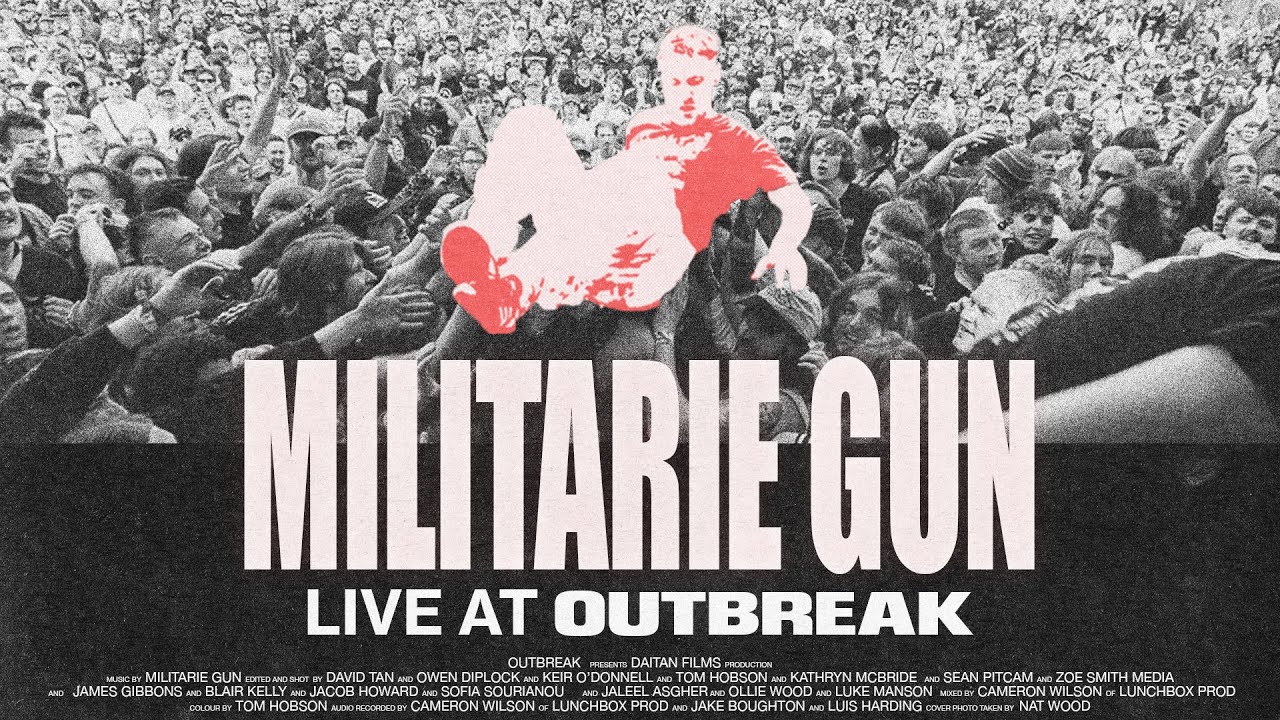
Few modern hardcore bands have bridged the gap between melody and mayhem quite like Militarie Gun. But for frontman Ian Shelton, that balancing act didn't start in California—it started with Britain's first wave of punk.
From The Adicts to Wire, Shelton explains why UK punk's humour, hooks and refusal to play by the rules still influence everything his band does today.
Who is your favourite band from the original era of British punk?
Ian Shelton: The Addicts. I saw them when I was in eighth grade and they're one of my favourite bands of all time. The singer [Keith Warren] wears face paint inspired by A Clockwork Orange and I was obsessed with that film as a teenager. When you're a fucked up kid in a small town getting in fights with other kids, you watch a movie like Clockwork Orange and it really resonates with you that they're going down a bad path. The parallels of that film to punk, and the embrace of it in punk by The Addicts I thought was really cool. I think they're kind of brushed under the rug as far as the first wave of punk goes.
How has the UK punk scene influenced you?
Shelton: Something that The Addicts do that we do as well is have a dark subject matter over a really poppy song. A song like ‘Easy Way Out’ is so catchy, but it's about killing yourself. It's that pairing of dark subject matter and poppy melody that I think the sex Pistols also do well …It’s the British humour that goes with it. It's very tongue in cheek -very aggressive if you're not on the inside of it - and that’s something that I really respond to.
What do you think is UK punk's greatest legacy?
Shelton: The wit and biting nature of it. The sense that you're not involved, the ambiguous ‘you’ - pointing at the world and saying that you are not one of us. I think that's great!
What do you think of the London punk scene today?
Shelton: We love bands like Chubby and the gang and UK punk as a whole because it just gives you a certain feeling. I remember hearing The Flex and Violent Reaction, and falling in love with those bands really quickly, because it’s unmitigated aggression paired with the littlest bit of melody. That’s very UK punk to me. Another big part of UK punk that bleeds over into my life is the tradition of Oi. I think that the current moment of Oi influenced punk and hardcore is completely due to the UK punk scene.
What does the phrase 'London punk' mean to you?
Shelton: It means melody, it means rock and roll, it means protest - and at its core - upsetting people.
Daniel P Carter (BBC Radio 1 Rock Show host, and member of Reclus.e, A, Krokodil, and Bloodhound Gang)

- Standout UK punk track: "London Is The Reason" – Gallows
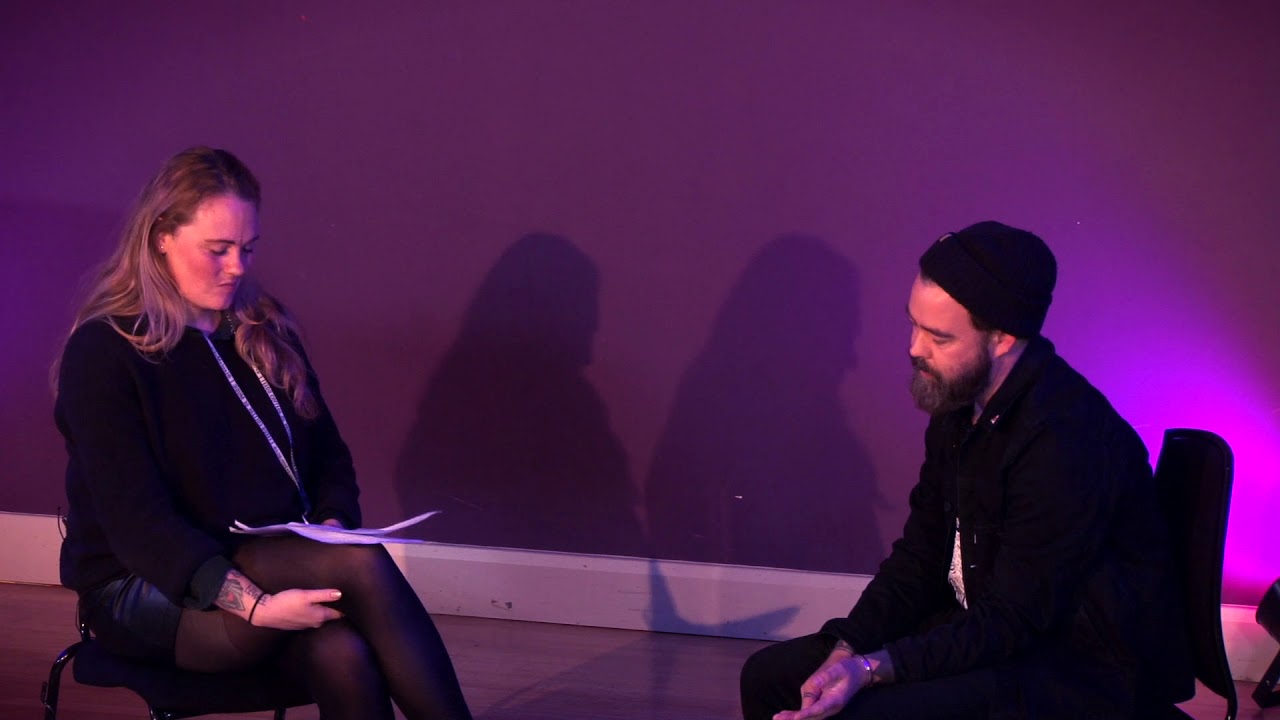
For nearly two decades, Daniel P Carter has been one of Britain's loudest advocates for alternative music.
Whether introducing listeners to tomorrow's breakthrough bands on the Radio 1 Rock Show or performing himself, he's watched punk evolve without ever losing sight of what made it special in the first place. Fifty years on, he believes its influence stretches further than ever.
Who is your favourite band from the original era of British punk?
Daniel P Carter: I’d probably say The Damned. I love that they have such a broad palette musically, especially with the darker, gothier stuff. I think you can really hear their influence on a bunch of early US Hardcore bands as well, which rules. I would also maybe add as a caveat that I am partial to the new incarnation of the Sex Pistols with Frank Carter fronting it.
What's your favourite moment in punk history?
Carter: Ian MacKaye [Minor Threat] hearing ‘Expensive Sound’ by [British punk band] Empire for the first time.
What does the phrase 'London punk' mean to you?
Carter: I guess it’s weird how certain cities have massive music scenes attached to them. Be it Seattle with Grunge, Berlin with Krautrock, Kingston with Ska and Reggae, Manchester with baggy, but Punk just feels tied to London. Even though there’s probably a bunch of older New Yorkers who would have something to say about that…
It's now been 50 years since the UK punk explosion. What do you think is its greatest legacy?
Carter: That to this day it’s still influencing musicians, artists, activists, designers and creatives the world over.
Reclus.e play Outbreak London August 23rd alongside Deftones, AFI, Interpol and more

Skip the search — follow Shortlist on Google News to get our best lists, news, features and reviews at the top of your feeds!
