Every Ridley Scott movie, ranked! From Alien to Exodus
Where will Ridley Scott's 30th film, The Dog Stars, fit?


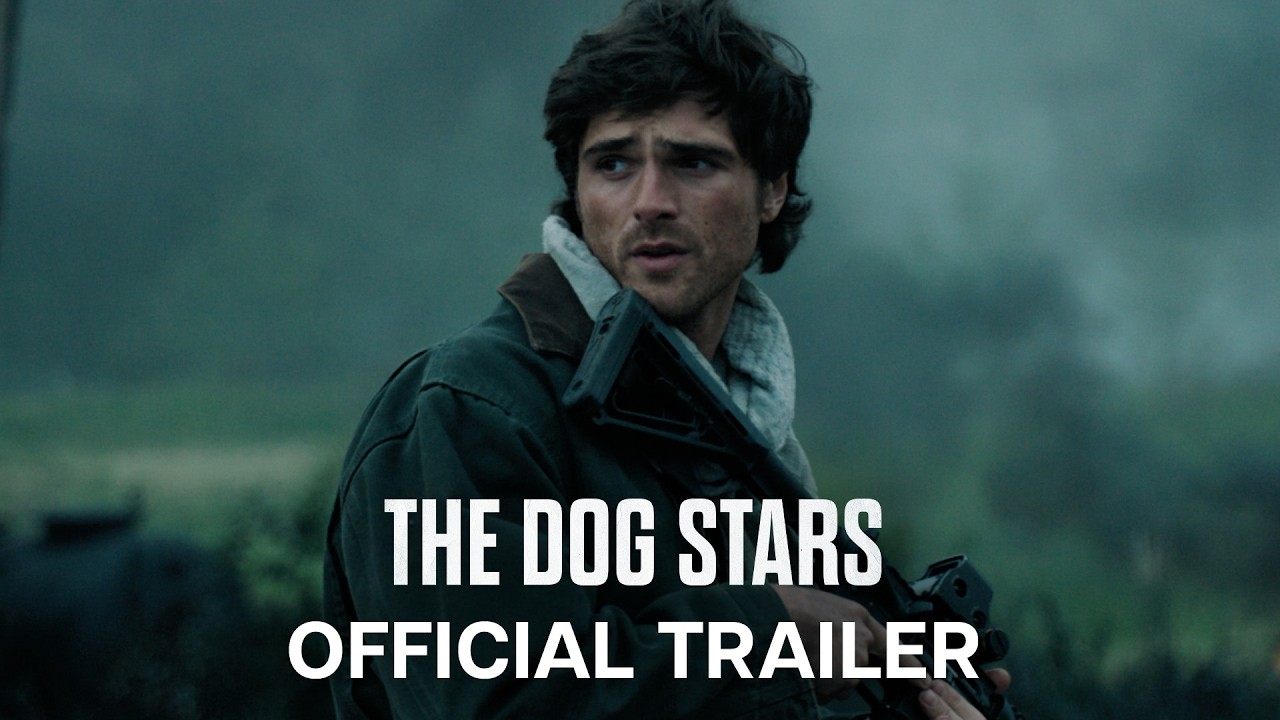
When The Dog Stars arrives in cinemas later this week (28th August), it will be a true landmark release. This will be the 30th film of Ridley Scott’s career.
That’s all the more remarkable when you consider that the 88-year-old South Shields native had a relatively late start in the business.
Ridley Scott’s stairway to the Hollywood firmament wasn’t like most other ‘70s auteurs. He was a successful director of commercials well before he made his movie directing debut, and didn’t take the plunge into full-length production until he was almost 40.
It was no callow, wet-behind-the-ears wunderkind that produced 1977’s The Duellists, but a seasoned director already well on top of his craft and confident in his artistic vision.
Scott has carried this extreme level of proficiency and single-mindedness through his whole career, which explains why he’s the closest thing to a safe bet in Hollywood. Not all of his films have been hits, but he’s always on time and always on budget.
We’d be tempted to label him a producer’s dream, if it weren’t for a well-earned reputation for being blunt and abrasive. If you’re a Hollywood executive, your best bet is to stump up the money and just get well out of the great man’s way.
That’s not to suggest that Scott’s work is in any way stolid or workmanlike. Indeed, he has produced some of the most evocative, memorable films in cinematic history.
Inevitably, in a career that has spanned nearly 50 years, there have been a fair few misfires. But a Ridley Scott film is never less than technically immaculate. At their best, meanwhile, his films have come to define the visual language of Hollywood.
Here, then, is a rundown of Ridley Scott’s 29 films to date, in ascending order of greatness.
Disagree with any of my rankings? It would be as startling and disconcerting as a chest bursting alien if you didn’t. Do please share your own favourites in the comments below.
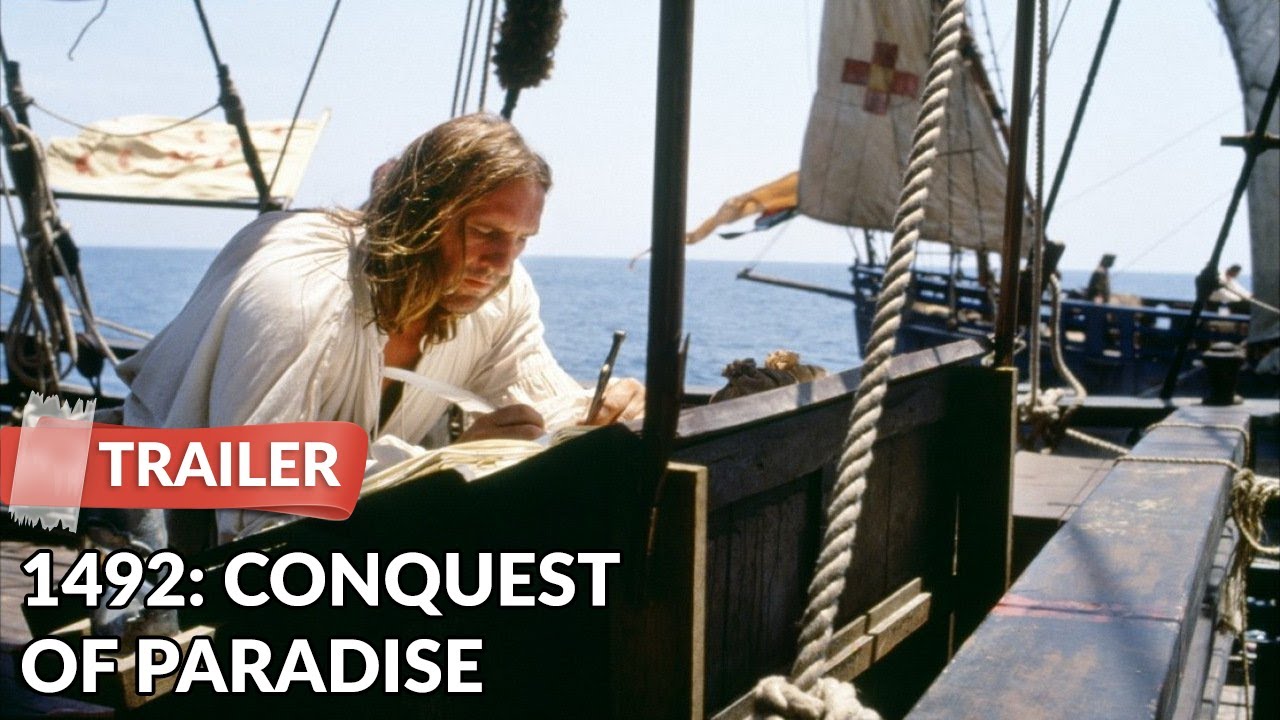
29. 1492: Conquest of Paradise (1992)
The charge of playing fast and lose with historical facts has plagued Scott whenever he has touched upon real world events. It’s easy enough to park that to one side when it’s sharks in the Colosseum. It’s far more problematic in Scott’s gilded account of Christopher Columbus’s ‘discovery’ of the New World. In Scott’s leaden retelling, Columbus was a pure-hearted visionary and an impeccable navigator, who treated the various native populations he encountered with dignity and respect. Hmm... Epic title track from Vangelis, mind.
![Exodus: Gods and Kings | Official Trailer [HD] | 20th Century FOX - YouTube](https://img.youtube.com/vi/t-8YsulfxVI/maxresdefault.jpg)
28. Exodus: Gods and Kings (2014)
Scott always seemed destined to bring the old fashioned Biblical epic up to date at some point. In the event, Exodus: Gods and Kings was a woefully misconceived jaunt through ancient North Africa and the Middle East. Criticism surrounded the casting of Christian Bale as the Hebrew prophet Moses and Joel Edgerton as Egyptian Pharaoh Ramesses II, though wider complaints of Biblical inaccuracy seem like a matter for the true believers to debate. A more immediate and obvious issue is the film’s overwrought tone, which makes it difficult to take the dramatic beats seriously.
27. A Good Year (2006)
In which the famously no-nonsense Scott attempts to make a breezy rom-com about wine making. An intriguing exercise, no doubt, but one that turns out about as well as you might expect. Scott perennial Russell Crowe turns in his Serious Man Of Action badge to play arrogant English banker Max Skinner, who inherits a chateau and vineyard in deepest Provence. Neither director nor star seems to have an ear for frothy comedy – at this point in their careers, at least. It’s all a bit stilted, like they’re trying (and failing) to decipher some elusive comedy formula before our very eyes.

26. The Counselor (2013)
On paper, a modern day Ridley Scott thriller starring an A-list cast, with a script by literary behemoth Cormac McCarthy, sounds like a sure-fire hit. But The Counselor was a total critical and commercial flop. Post-mortems of the production will point to a slow-paced, dialogue-heavy drama preceded by a marketing campaign that wholly failed to communicate what the film was about. We’d offer a far more prosaic explanation: The Counsellor is a boring trudge of a watch, and one that fatally fails to observe the ’show don’t tell’ mantra that makes all good thrillers tick.
![Legend (1985) ORIGINAL TRAILER [HD 1080p] - YouTube](https://img.youtube.com/vi/ybnoJErfDas/maxresdefault.jpg)
25. Legend (1985)
Mr. Scott has evidently decided that the fantasy genre isn’t for him. Looking at how after his one and only attempt turned out, we can’t really blame him. There’s plenty of interest in Legend, not least a young (and seemingly miscast) Tom Cruise in the heroic role of the trouserless forest child Jack, and Tim Curry in the camp villain mode he pretty much owned for a time. Ultimately, though, Legend is just a weird film that just never quite clicks, despite its impressively lush sets and handsome cast.
24. Body of Lies (2008)
Bet you didn’t realise that Ridley Scott made that one where Madonna gets down and dirty with Willem Defoe and a melty candle, did you? That’s because he didn’t. You’re thinking of Body of Evidence. Body of Lies is far less, um, exciting, as just another one of those clumsy war on terror thrillers that cropped up in the ‘00s. Still, at least the cast is good. Leonardo DiCaprio plays a CIA field agent on the trail of a terrorist cell, while Russell Crowe plays his grumpy boss.
23. Someone to Watch Over Me (1987)
Just about the most generic film Scott ever made, Someone to Watch Over Me is the kind of flick that blurs into countless other similar efforts from the late ‘80s and early ‘90s. It’s solidly made stuff, of course – this is Ridley Scott we’re talking about here – but the story of Tom Berenger’s tough cop protecting and ultimately falling for Mimi Rogers’s threatened socialite is pretty run-of-the-mill. There’s extra spice in the form of Lorraine Bracco’s betrayed wife, but generally this is Scott on autopilot.
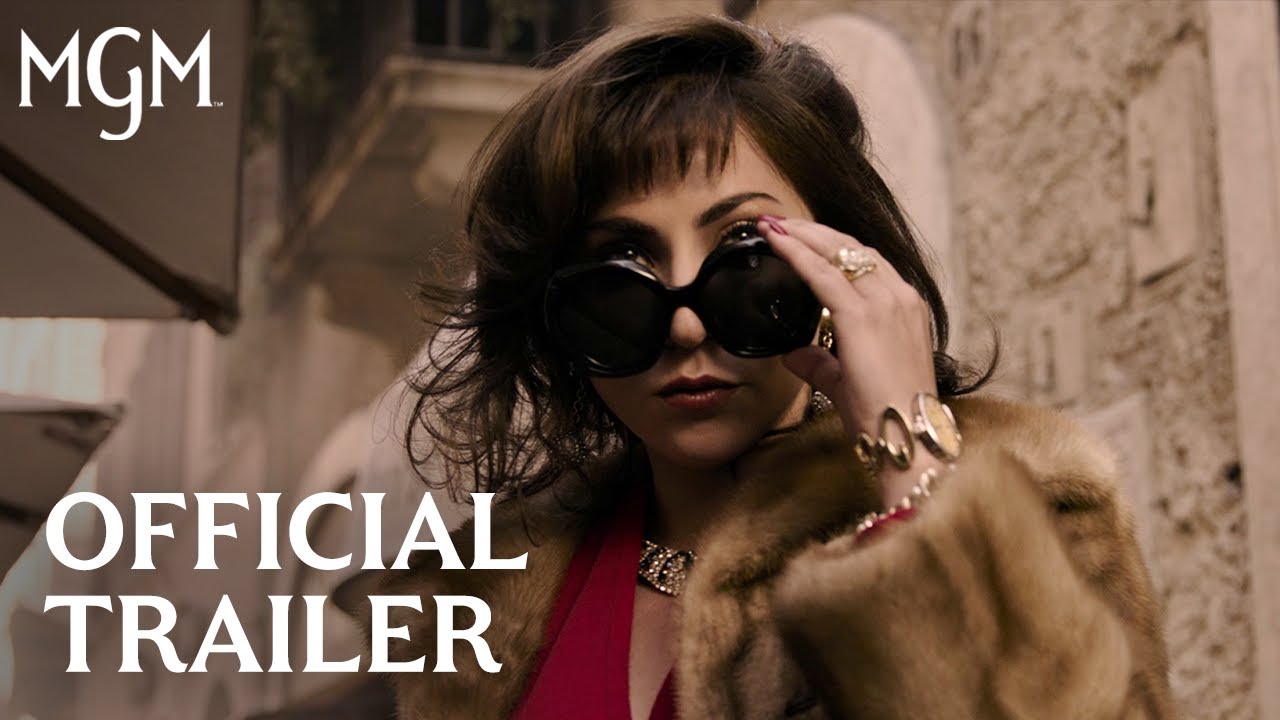
22. House of Gucci (2021)
Adam Driver and Lady Gaga ham it up as members of the Gucci family, with the latter’s scorned socialite Patrizia Reggiani scheming to have her wealthy ex-husband killed. Gaga’s great, and the film has a certain camp madness to it, but it’s all just a little too brash for its own good. Jared Leto plays a major role, too, which supplies instant negative points to any film he blights. Sorry, but them’s the rules.
![G.I. Jane (1997) ORIGINAL TRAILER [4K] - YouTube](https://img.youtube.com/vi/ThrJAy9rOgQ/maxresdefault.jpg)
21. G.I. Jane (1997)
This one got a lot of attention at the time, as it famously saw Demi Moore shaving her head for the lead role. Look, it was the ‘90s. We were all more easily impressed. Moore is suitably muscular as Lieutenant Jordan O'Neil, the (fictional) first woman to undergo special forces training in the US, tackling institutional sexism en route. Or that’s how it all starts, at any rate. Pretty soon, our new super soldier is demonstrating she’s ‘one of the guys’ by helping to fend off an assault by faceless Arabs. Like I said, it was the ‘90s.

20. White Squall (1996)
White Squall is one of Scott’s more workmanlike efforts, and the kind of entry you’re most likely to forget when under pressure (or some other kind of influence) in a pub quiz. It tells a perfectly serviceable true-life tale about a crew of student sailors caught in the mother of all storms. The thing is, we don’t tend to go to Ridley Scott for ‘perfectly serviceable’ films, do we? That’s what Ron Howard’s for. Naturally, the storm scenes are brilliantly shot, and Jeff Bridges is always worth checking out in the central role.

19. Kingdom of Heaven (2005)
Kingdom of Heaven is a curious mess of a movie, with Scott and his writers clumsily transplanting the early-millennial discourse surrounding the war on terror onto a historical crusades narrative. The battle scenes are lavishly shot, of course, but much of the interpersonal stuff falls flat. Scott was perhaps unfortunate with his timing, in that Hollywood was still under the impression at this point that Orlando Bloom was an A-list actor. There’s a personality void at the centre of the movie, while some of the more flamboyant supporting performances seem to have been airlifted in from another, more entertaining production.
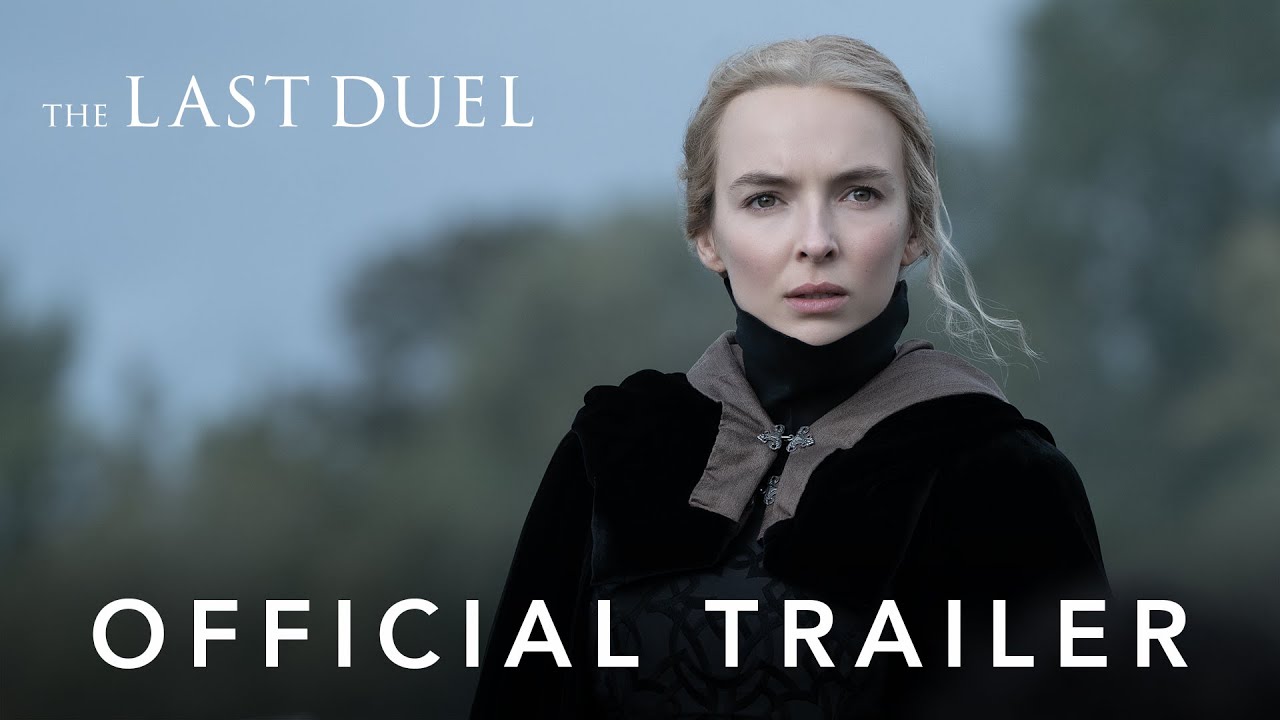
18. The Last Duel (2021)
In an impressively meta move, The Last Duel delivers its grim story in a fashion akin to one of its brutal medieval scraps, driving its point at you with repeated bludgeoning attacks. It tells the story of an alleged sexual assault during Medieval times from three separate perspectives – the first two from the rutting stags (played by Matt Damon and Adam Driver) sworn to duke the matter out, and the final one from the victim (played by Jodie Comer). It’s worthy subject matter alright, but the delivery makes it a bit of a slog to get through.

17. Robin Hood (2010)
Did we need yet another take on Robin Hood in 2010? The fact that movie and TV makers keep trying to adapt the British legend certainly begs the question. While this is a proficiently made piece of quasi-historical epic film making, Scott’s more grounded and densely plotted take on the hero fails to offer much that’s new or interesting to the mythology. Russell Crowe feels somewhat miscast as Robin, with a terrible north-of-somewhere accent, while none of the supporting cast of slimy villains is fit to lace the doublet of Alan Rickman’s Sheriff of Nottingham from Prince of Thieves.
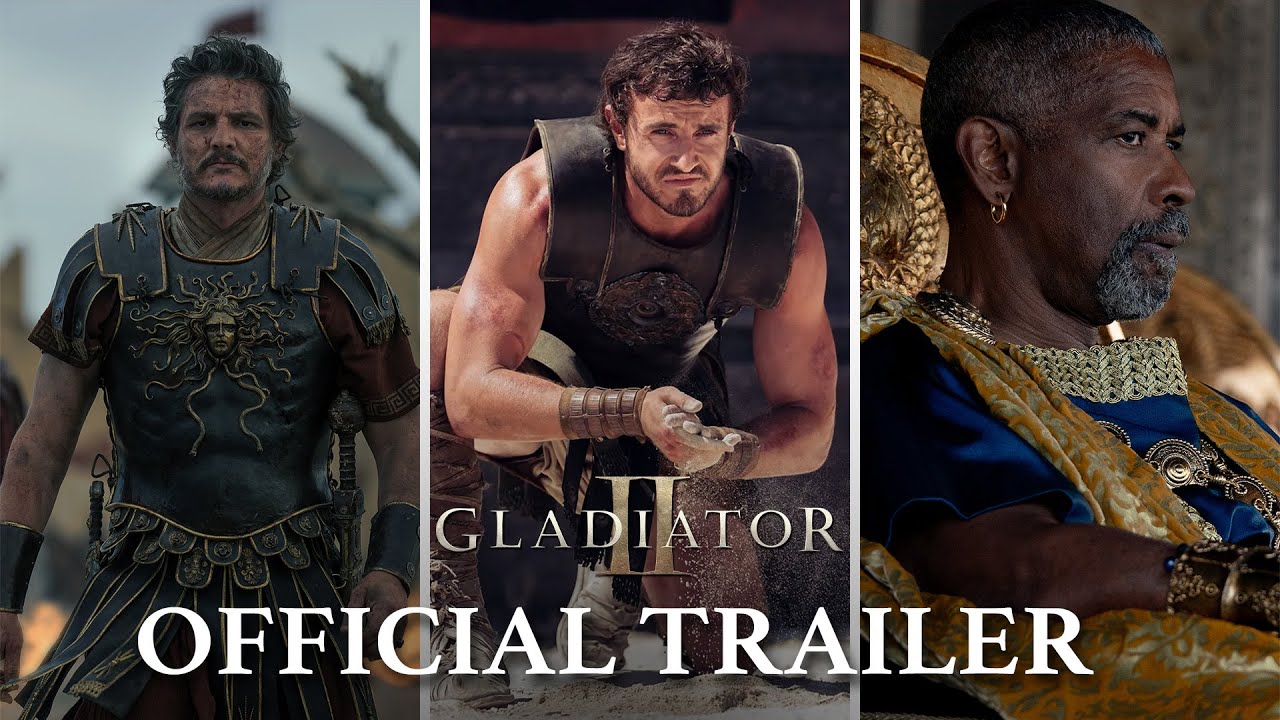
16. Gladiator II (2024)
Some would argue that Scott should have heeded the advice to never go back. Has he made a good sequel yet? Gladiator II attempts to follow up one of his biggest films, but falls short on multiple levels. While casting Paul Mescal as the son of the first film’s hero sounded like a smart move, the Irish actor can’t quite seem to muster the required leading man energy, not helped by a seriously flabby script. It’s left to Denzel Washington to steal the show as ambitious former slave Macrinus. The set pieces, of course, are a highlight, but also kind of ridiculous. Again: sharks in the Colosseum?!
![Alien: Covenant | Official Trailer [HD] | 20th Century FOX - YouTube](https://img.youtube.com/vi/svnAD0TApb8/maxresdefault.jpg)
15. Alien: Covenant (2017)
Scott’s 2017 attempt to course-correct his unwieldy Prometheus (up next) digression onto a full on collision course with his earlier Alien narrative is only partially successful. In returning to something approaching the claustrophobic dread of the 1979 original, not to mention a more familiar-shaped threat, Covenant turns out to be a more punchy movie than its immediate predecessor. Fassbender, once again, steals the show as a murderous android with designs on godhood, but the film can’t help but feel like a regurgitation and dilution of what’s gone before it, regardless of the glossy production values.
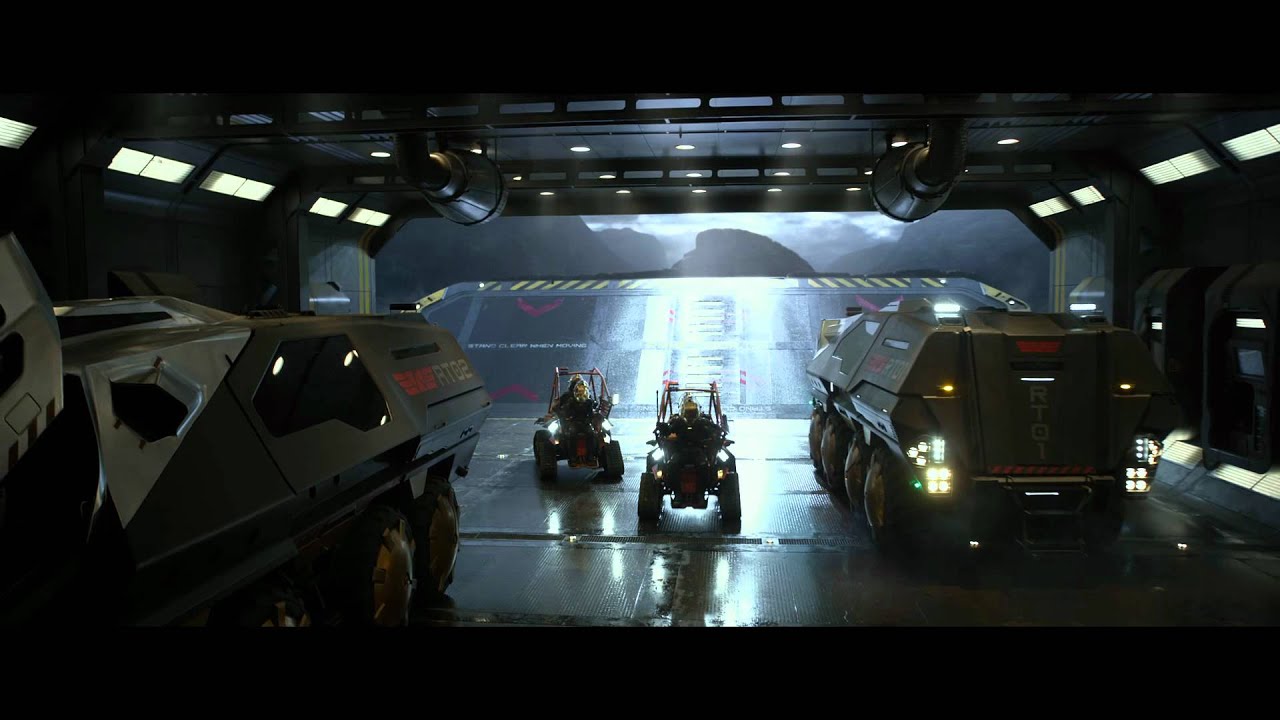
14. Prometheus (2012)
Time has arguably been kind to Prometheus, in that we can now finally judge its merits quite apart from the level of feverish anticipation that accompanied Scott’s return to the Alien universe. It turns out it’s a perfectly OK sci-fi movie with some impressively widescreen set pieces and a pleasingly unsettling sense of latent dread. Michael Fassbender is an undoubted highlight as the chillingly inscrutable android David. But as a development of the brilliantly tangible mythology of Alien that Scott himself set forth, it all feels disappointingly sterile.

13. Hannibal (2001)
This was the first cinematic sequel that Ridley Scott ever made, and fascinatingly, it wasn’t a follow-up to one of his own movies. Indeed, Hannibal was the sequel to one of the most highly regarded thrillers of all time in Jonathan Demme’s The Silence of the Lambs. Juliane Moore here replaces Jodie Foster as FBI agent Clarissa Starling, but crucially Anthony Hopkins reprises his landmark role as sophisticated serial killer Hannibal Lecter. It’s a far more lurid, schlocky film than the classy original, but an undeniably entertaining one for all that, as Lecter himself becomes the target of another sicko.

12. Black Rain (1989)
It’s not everyone’s cup of matcha, that’s for sure, but Scott’s glossy 1989 action thriller sure is stylish. The director’s technical chops are on full display, serving to elevate the generic cops vs. Yakuza material to something more interesting than it probably deserves to be. Michael Douglas plays the perfectly coiffed tough guy lead to perfection, while Scott’s cinematography serves to make a then-booming Osaka look like something from his earlier (and of course far superior) Blade Runner. Worth it for the visuals alone.
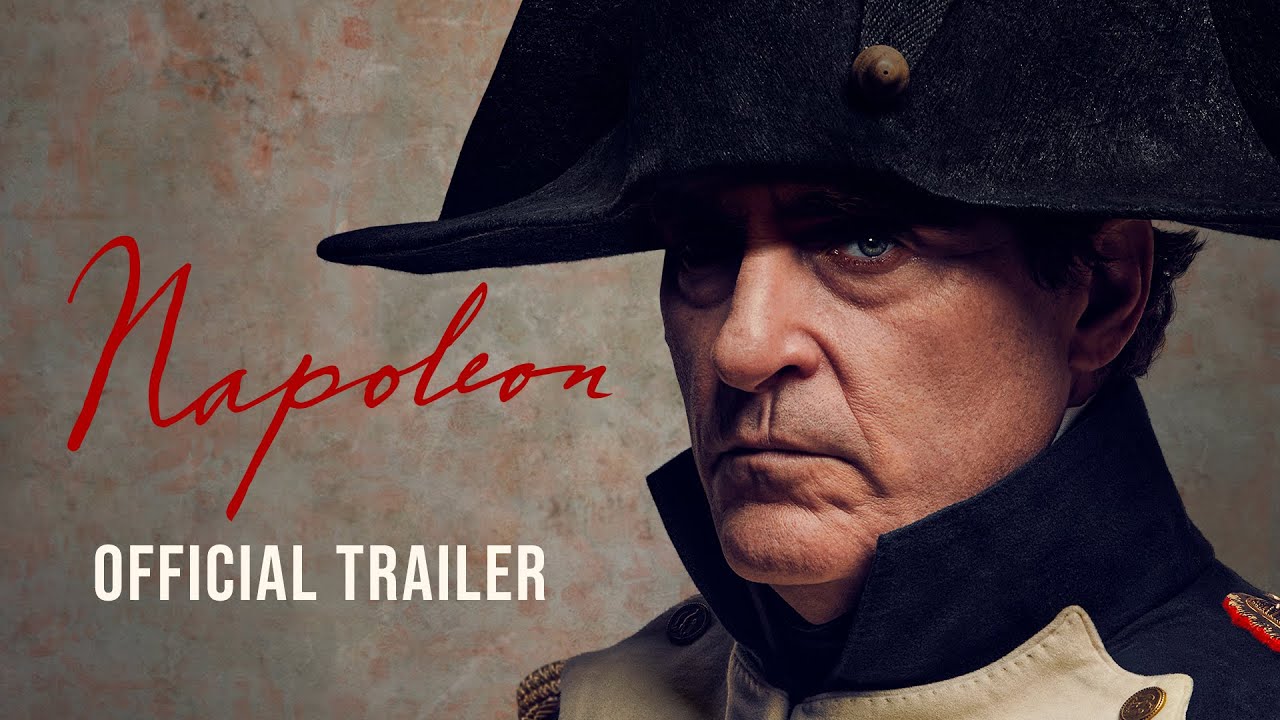
11. Napoleon (2023)
In which Ridley Scott returns to the scene of his very first film, The Duellists. This time, however, he’s dealing with the pint-sized tyrant at the heart of the conflict, Napoleon Bonaparte. Scott-favourite Joaquin Phoenix is in the lead role, and delivers a typically idiosyncratic take on this complex figure, portraying him as something of a boorish buffoon in thrall to Vanessa Kirby’s Josephine. The director himself takes a few of his customary historical liberties, but the battle scenes are quite something to behold.

10. Black Hawk Down (2002)
Arguably Scott’s leanest, meanest film, Black Hawk Down is virtually all action all of the time. After the briefest of scene-setting openings, the film lets loose the dogs of war. This is the fact-based story (though this is a Scott film, so a pinch of salt is required) of an American helicopter being shot down in the middle of Mogadishu during an early ‘90s military excursion, prompting a genuinely hair-raising backs-to-the-wall defence and rescue mission. Nuanced it ain’t, but Black Hawk Down’s very nature as one long cacophonous set piece makes it stand out from other films of its kind.
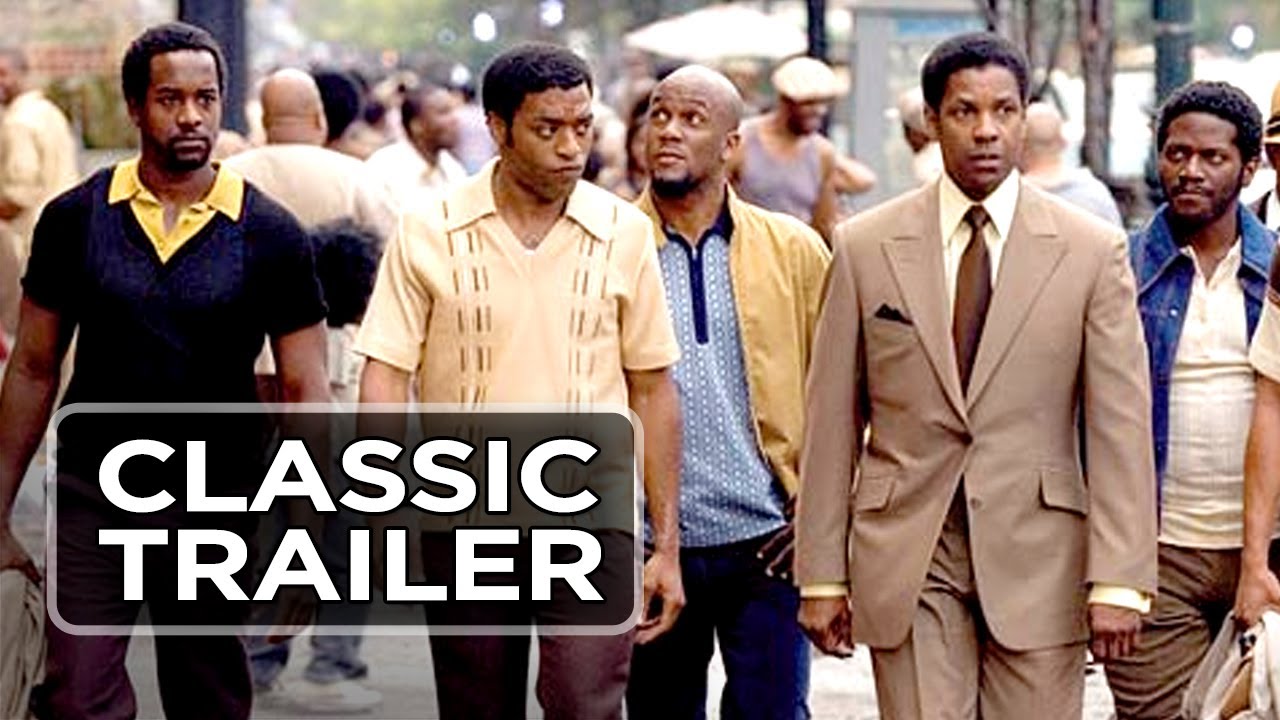
9. American Gangster (2007)
We know he’s got the whole extra-terrestrials thing down, and Ridley Scott has more than proven his swords-and-sandals credentials. But could the British director ‘do a Scorsese/Mann’ and make a compelling crime drama? You bet he could, as American Gangster goes to prove. Russell Crowe (who else?) plays Richie Roberts, an honest-to-a-fault ‘70s Newark Detective with a flaming wreck for a private life, who finds himself hot on the trail of Denzel Washington’s scheming Harlem-based heroin dealer.
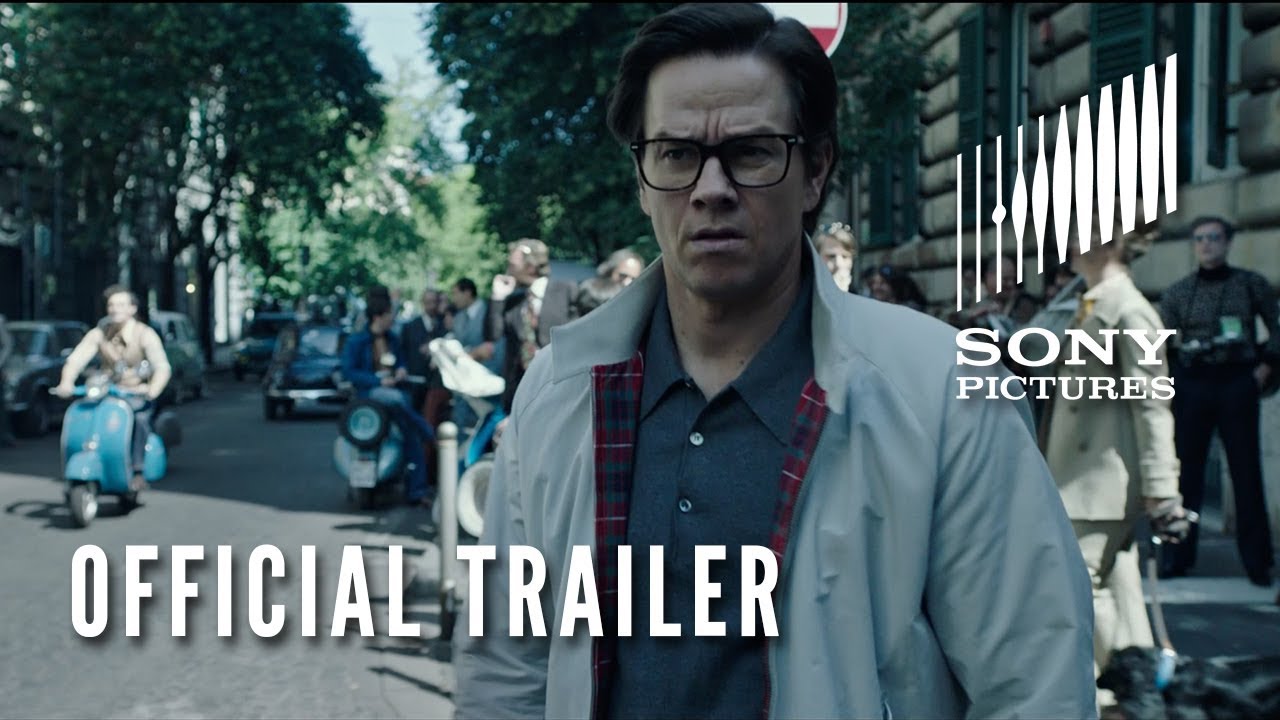
8. All the Money in the World (2017)
Ridley Scott has built a reputation for getting films made, regardless of any production difficulties. It’s this pugnacious attitude that saw All the Money in the World eventually making its way to cinemas despite the scandal surrounding a key cast member. When Kevin Spacey was accused of sexual misconduct right at the outset of principal photography, many thought the film dead in the water. Scott, of course, had other ideas, pulling veteran actor Christopher Plummer in to reshoot scenes as J. Paul Getty. The resulting film doesn’t merely work – it’s one of the best of the director’s fruitful latter period.
7. Matchstick Men (2003)
Who said that Ridley Scott couldn’t do comedy? It would be an exaggeration to say that the director smashed this attempt at the genre out of the park – it doesn’t play things purely for yucks, for one thing, and it also wasn’t exactly a box office smash. But Matchstick Men’s curious tale of an old con man (played by Nicolas Cage) dealing with guilt, his estranged teenage daughter (Alison Lohman), and a jealous protégé (Sam Rockwell) holds considerable off-kilter charm.
![The Martian | Official Trailer [HD] | 20th Century FOX - YouTube](https://img.youtube.com/vi/ej3ioOneTy8/maxresdefault.jpg)
6. The Martian (2015)
The Martian demonstrates Ridley Scott’s range as well as any of his other movies. We all knew that the great British director could do sci-fi, but we’d come to associate him with a certain brand of grand, fantastical, yet spectacularly downbeat sci-fi. The Martian is none of those things. Based on Andy Weir’s book, it doubles down on the ‘sci’ part of the equation, making sure to show its workings. Matt Damon’s smart cookie botanist finds himself stranded alone on Mars, and soon has to ‘McGyver’ his way to survival. It’s thrilling, crowd-pleasing stuff that might just have you believing in humanity for a second.
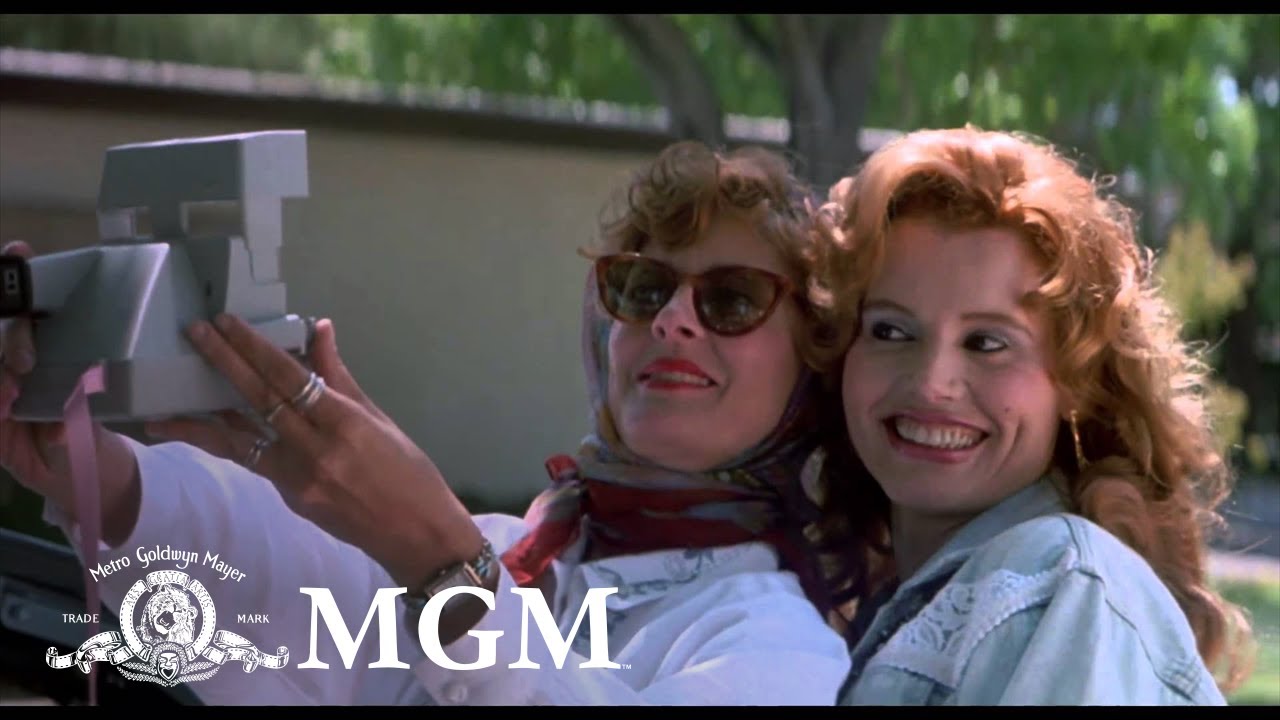
5. Thelma & Louise (1991)
Mention Thelma & Louise, and the first thing people will think about is the (SPOILER ALERT) iconic final scene that sees our cornered heroes flooring it into the Grand Canyon. However, the preceding film has much to recommend it. It’s a surprisingly tough-minded road movie about two good friends (played by Susan Sarandon and Geena Davis) and the terrible men who blight their lives. When Sarandon shoots a would-be-abuser during a road trip, it sets off a desperate manhunt. The second thing people think about when you mention Thelma & Louise: a young, buff Brad Pitt sauntering into superstardom.
4. The Duellists (1977)
Scott’s 1977 debut is a shockingly confident and mature piece of film making, speaking to this seasoned ad man who had already managed to make a handsome living from his art by the time Hollywood came calling. Keith Carradine and Harvey Keitel play the titular 19th century duellists, who stumble into a preposterous feud that blights their lives and careers in Bonaparte’s French army. Scott would revisit this period some 45 years later with the much glossier Napoleon, but would arguably fall short of this more intimate snapshot.
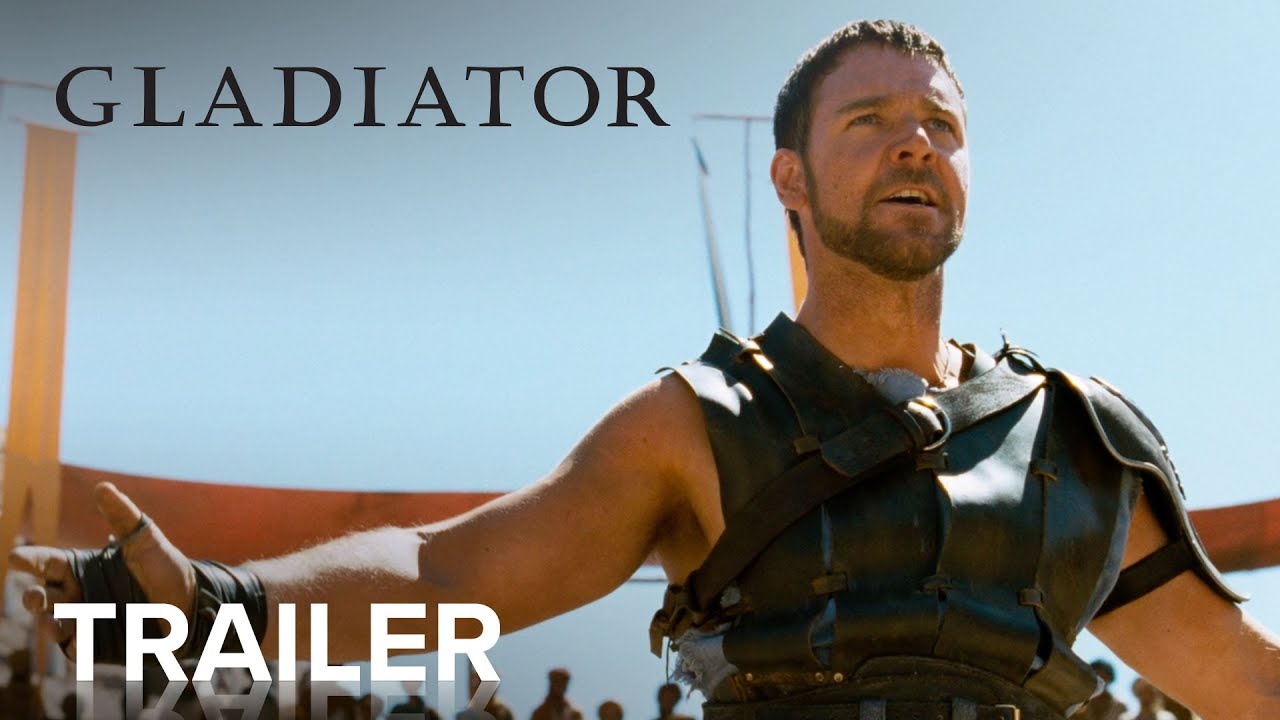
3. Gladiator (2000)
It’s fair to say that Ridley Scott didn’t have a particularly stellar ‘90s, with only Thelma & Louise worthy of standing with his most iconic work. That just makes his immense success with Gladiator in 2000 all the more impressive. It succeeded on all levels, from box office takings (at $466 million, his second highest) to critical acclaim (Oscars for Best Film and Best Actor). This is a relentlessly entertaining historical epic filled with brutal gladiatorial fights, but one that tells a heart-rending tale of loss and revenge as Russell Crowe’s Roman general fights his way to a reckoning with Joaquin Phoenix’s dastardly emperor.

2. Blade Runner (1982)
Has there ever been a better one-two punch than Alien and Blade Runner? Not in sci-fi, there hasn’t, and quite possibly in all of cinema. It’s a discussion to be had, at least. If anything, Scott’s 1982 Philip K. Dick adaptation may have been even more influential than his preceding masterpiece, establishing a cinematic language for futuristic cityscapes that’s still being spoken today. His other stroke of genius was to fold in elements of detective noir, as Harrison Ford’s laconic cop hunts down a gang of runaway replicants. Vangelis’s soundtrack, meanwhile, is an all time great, while the later 'Final Cut' version proved Blade Runner's all-timer status definitively.
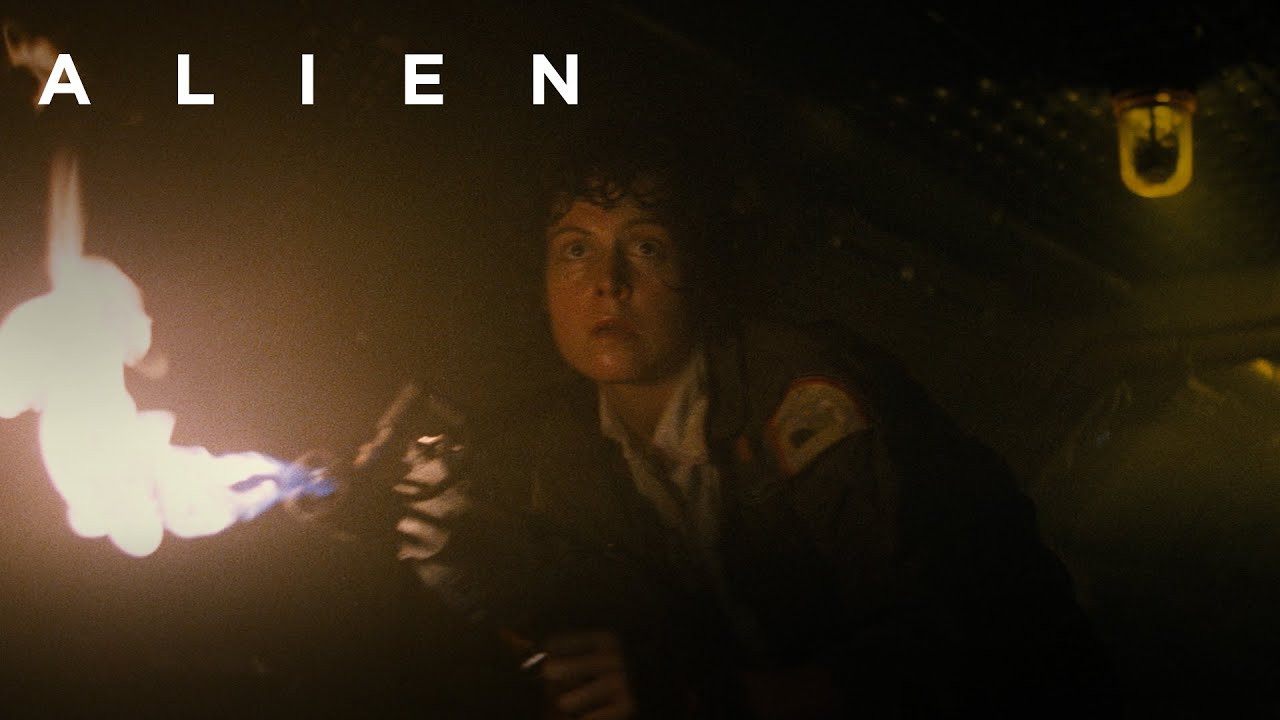
1. Alien (1979)
Ridley Scott made his best and most enduring contribution to the cinematic medium with only his second film. Given how prolific the English director has been across an almost 50-year career, that’s quite something. Alien is very much of its time, with a sense of deep-seated paranoia and slow-creeping unease that speaks to the political tensions of the late-70s era. And yet it also hasn’t aged a day, from its faultless practical effects work that only offers shadowy glimpses at an iconic xenomorph baddie, to its evocative set design and sparsely atmospheric soundtrack. The dialogue, meanwhile, is starkly naturalistic, grounding the outlandish horror in a deeply familiar working environment. Scott would never better his first attempt at sci-fi horror – but then, nor would anyone else.

Skip the search — follow Shortlist on Google News to get our best lists, news, features and reviews at the top of your feeds!
